| Trouble viewing this email? Read it online. |

| Spring 2025 |
Fostering community-driven research and learning for social and environmental justiceNewsThe Papal Transition and Ecological Justice
This spring, we joined our colleagues around the world in mourning Pope Francis' passing and celebrating his life. We are among the many he inspired in his encyclical Laudato Si' to hear the "cry of the earth and the cry of the poor," to practice reconciliation with Indigenous peoples, and to work for integral ecology and environmental justice. We also congratulated Pope Leo XIV on his election to the papacy. While there is much yet to be learned about how he will carry on Pope Francis’ legacy, we are heartened by Pope Leo’s past comments calling on the Church to address climate change by moving “from words to action,” and for humanity to adopt a “relationship of reciprocity” with nature. We’re inspired by his calls for peace and justice, including his urging after the killing of George Floyd “to reject racism and seek justice,” and his exhortations to world leaders to respect the dignity of migrants and workers. We are hopeful that Pope Leo will continue Francis’ synodal efforts to consult and involve lay people in church decisions, especially women, and to realize the full promise of a Church that follows, in Leo’s words, “the God who loves us all, unconditionally.” We also appreciate the words of his role model, Pope Leo XIII, who hoped that the world might see that “the Church and her Pastors are not opposed to true and solid science, whether human or divine, but that they embrace it, encourage it, and promote it with the fullest possible devotion.” Image credit: Vatican News Standing Up for Science
Gratitude for Day of Giving
Many thanks to our supporters, who generously donated to the Initiative during Santa Clara University’s annual Day of Giving on April 23. Your gifts will support students to apply their research skills directly to community needs for food security, access to safe water, protection from toxic chemicals, and other environmental justice issues around our region and around the world. You not only supported the Initiative, but your donations also helped unlock $150,000 in challenge grants to SCU’s Center for Sustainability, with whom we collaborate on our Day of Giving fundraising. These gifts will increase the energy efficiency of SCU’s buildings and decrease the use of fossil fuels to power our campus operations. Donors can still contribute through the SCU donor portal, using the Designation dropdown menu, choosing Sustainability Initiatives, and directing your gift to the Environmental Justice & Common Good Initiative. Initiative Leaders Promoted
Jesica Siham Fernández was promoted to Associate Professor of Ethnic Studies with tenure, and Christopher Bacon was promoted to Professor of Environmental Studies and Sciences. Congratulations to Jesica and Chris, whose research and service to the Initiative were one element of each of their many accomplishments as exemplary teaching scholars at SCU! Congratulations to Sara Wheeler and Welcome to Nishi Goyal
Sara Wheeler (‘25), our Digital Marketing and Web Design Intern, is poised to graduate with a degree in Web Design and Engineering this June. Sara expanded our website to better highlight student work, projects, and partnerships. She created a new visual identity across our platforms, designing original graphics for the website, social media, and outreach materials. She also designed the Initiative’s promotional poster and launched our YouTube channel to feature student videos and recorded events. Sara is currently training her successor, Nishi Goyal (‘28), to manage our website, social media accounts, and publications. Nishi, another Web Design and Engineering major, is also a UX/UI designer at SCU’s Human-Computer Interaction Lab and is involved in several art clubs and community service groups. She will be the fourth in our line of communications interns, who have drawn on their experience with the Initiative to help launch their careers and civic engagement. In Our ResearchSCU’s First Annual Sustainability & Environmental Justice Student Research Symposium
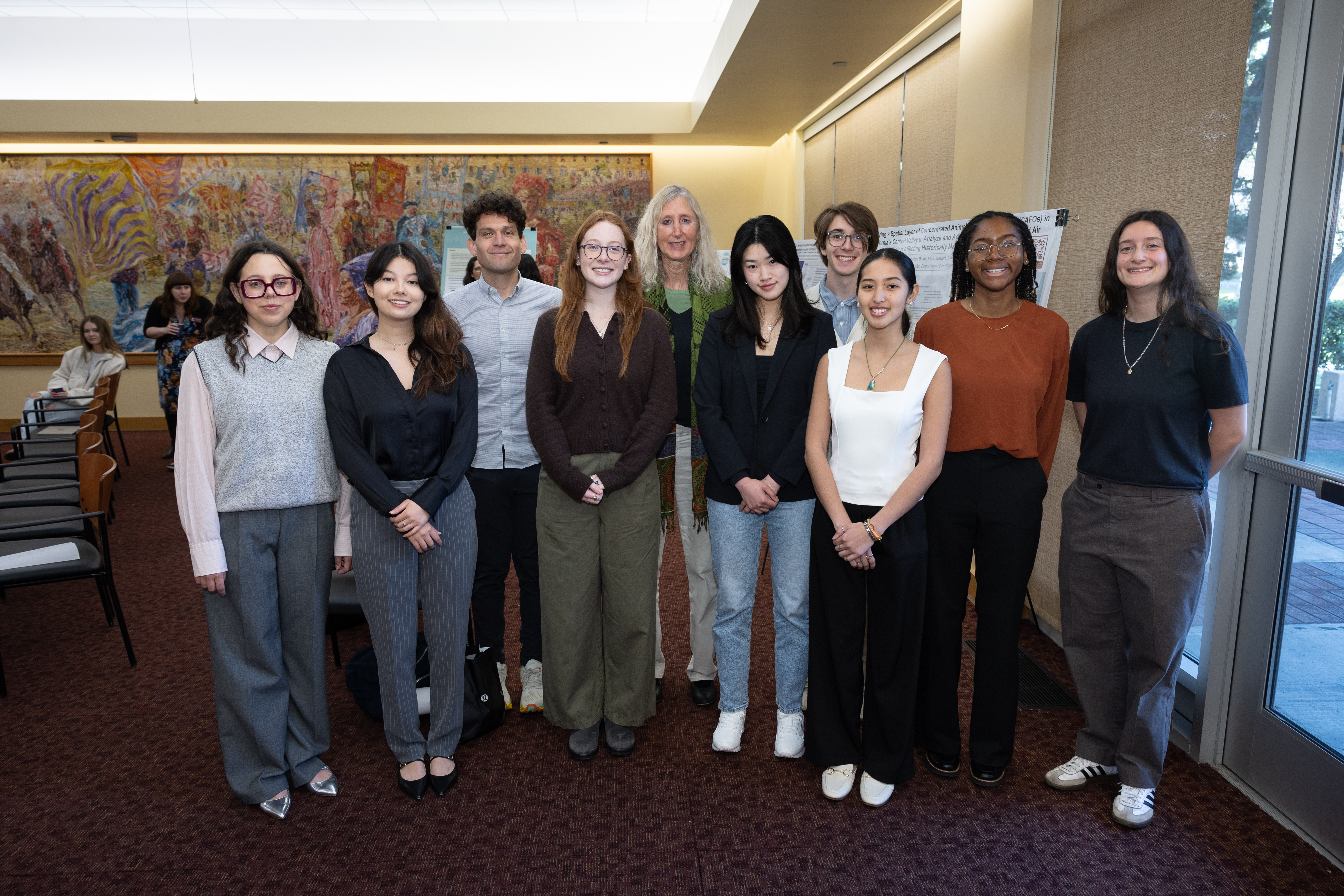
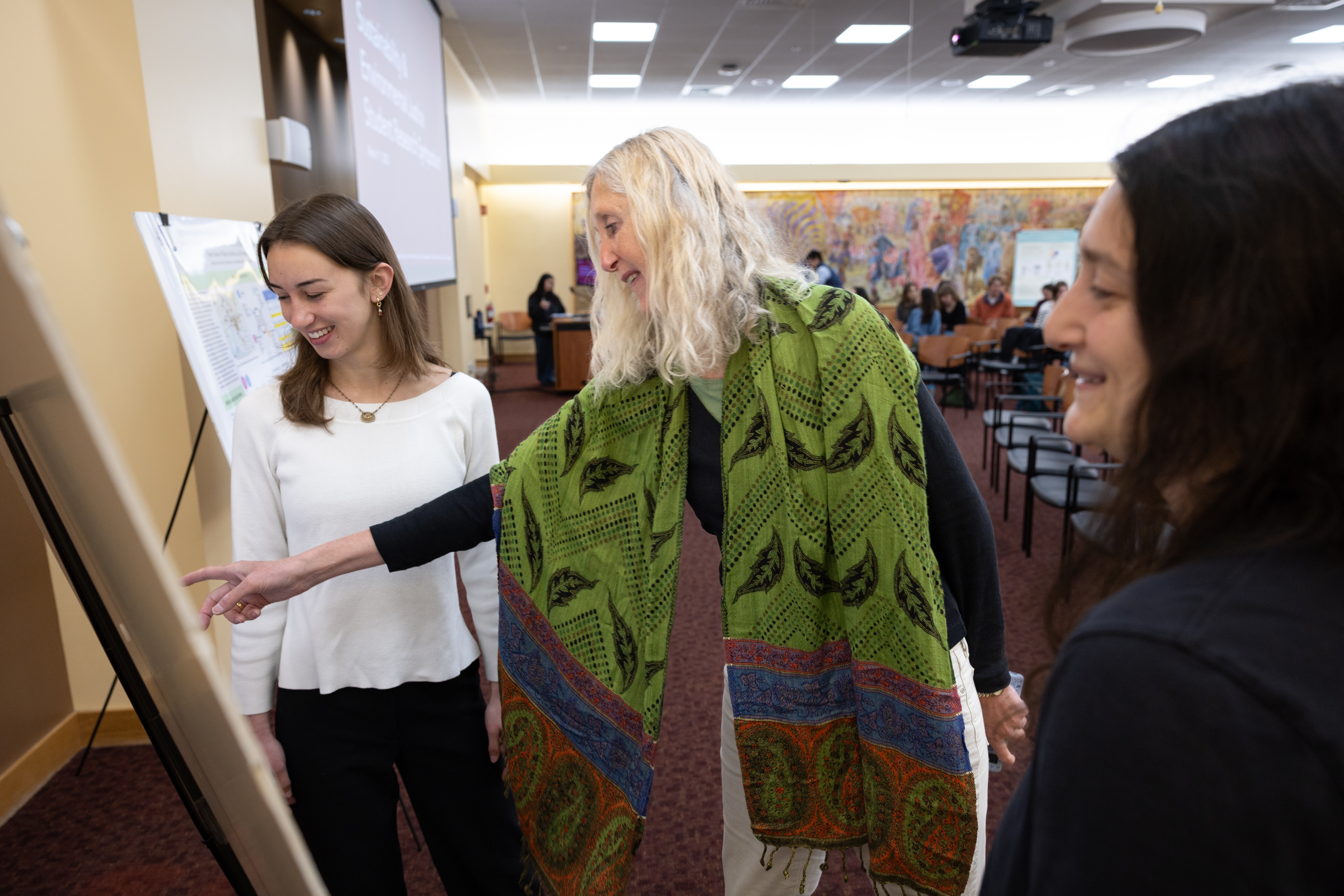
In March, our students made multiple presentations to help launch this annual interdisciplinary student research symposium co-organized by the Initiative along with SCU’s Center for Sustainability, and the Department of Environmental Studies and Sciences. Chris Bacon and William Sundstrom’s students (Andréa Georgenes, Leanna Cameron, and Mia Ingram) co-presented their study about how gender influences agroecological practices among smallholder farmers. Thirteen students from the Water and Climate Justice Lab (William Alexander, Briana Guingona, Elyse Kenyon, Sam Lei, Stephanie Davis, Ellie Henrich, Dana Johnson, Karina Martin, Anna Krebs, Jessica Garofalo, Arden DiCicco, Hannah Hamawi, Mahi Shah) presented their work on the ethical dimensions of the 2023 Pajaro Valley levee failure, building climate resilience for Central American smallholder farmers, and combating nitrate contamination in drinking water. They were mentored by Jake Dialesandro, Rocio Lilen Segura, and Iris Stewart-Frey. Diversified Farming Presentation at the 2025 Global Health Research Convening at Stanford University
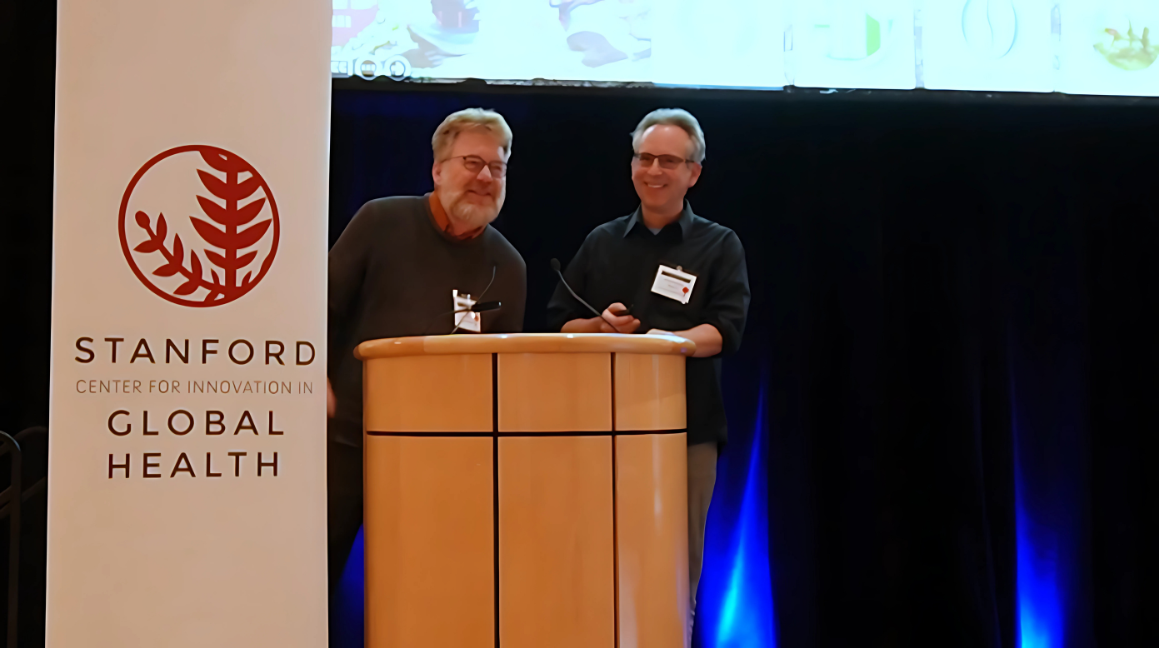
Christopher Bacon and William Sundstrom gave one of only a handful of invited oral presentations at this one-day research seminar. Their paper, entitled “Diversified farming, agroecology, and one health: Analyzing strategies for smallholders’ food and water security in multi-hazard environments,” highlighted community-engaged interdisciplinary research with farmer cooperatives and analyzed the interconnected health of humans and the environment. See the recording. Unearthing Histories of Transnational European Youth Activism for Economic and Environmental Justice
As a Fulbright-Schuman Fellow at the European University Institute (EUI) in Florence, Italy, Jesica Siham Fernández has been conducting research at the Historical Archives of the European Union affiliated with EUI. Jesica is documenting the history of the Jeunesse Europeenne Federaliste (JEF), and contextualizing the movement now known as the Young European Federalists (YEF). The movement formed during the 1950 Schuman Declaration, which sought to restore economic and political collaboration among European countries, mainly Germany and France, and to foster the European Union. In the 1970s, the movement evolved to focus more concretely on the consequences of coloniality and global environmental concerns, specifically the impact of fossil fuels and nuclear energy. Jesica’s research, which will be included in her next book on youth making a change in times of climate change, is guided by several questions. How did youth engaged in the YEF movement develop a sociopolitical awareness of intersecting environmental, economi,c and political issues? How are young activists today building upon the ongoing struggles for justice and the common good? What can we learn from the past to help us shape and inform the present? New Grant for Studying AI’s Impact on Water in Environmental Justice Communities
Freshwater scarcity and access to safe and sufficient drinking water are already an urgent global concern, and are expected to rise. The increasing carbon footprint of generative artificial intelligence (AI) has attracted significant attention, yet AI’s equally important, and growing, water footprint has received relatively less attention. Iris Stewart-Frey and Irina Raicu (SCU Markkula Center for Applied Ethics) received a $50,000 grant from the Next10 Foundation to study how water use by AI data centers intersects with water availability and distribution in California. Specifically, they seek to understand the impact of data centers on the water resources of nearby environmental justice communities in the Central and Silicon Valleys. Image credit: Geoffrey Moffett Water and Climate Justice Lab Featured
Democracy and Good Decision Making
Iris Stewart-Frey commented on democracy for the Lassalle Institute’s online publication Invitations. She emphasized the importance of patience, trust, and solidarity in decision-making, arguing that while democracy does not always guarantee perfect decisions, it remains the best safeguard against injustice and tyranny. Comparing business and politics, Stewart-Frey highlighted the value of innovative, solutions-driven thinking, yet warned against applying corporate logic to governance. She pointed to education, critical thinking, and collective efforts to strengthen democratic institutions as sources of hope in the face of rising authoritarianism. In Our NetworkingGrant to Support Youth, Health, and Environmental Justice Networking
Jesica Siham Fernández and Chad Raphael received a $7500 grant from SCU’s Ignatian Center for Jesuit Education to support a new project of the Initiative’s Youth & Environmental Justice Program. Fernández and Raphael will consult, train, and connect SCU faculty and staff with community partners to launch community-engaged research and learning projects on the themes of youth, environmental justice, and health equity. The project will build on a networking meeting in February 2025, which attracted 16 SCU faculty and staff members interested in research and teaching on these topics. Participants came from 10 different departments in the College of Arts & Sciences and the School of Education & Counseling Psychology, as well as the Ignatian Center and Miller Center for Social Entrepreneurship. Nitrate Drinking Water Contamination Strategy Meeting
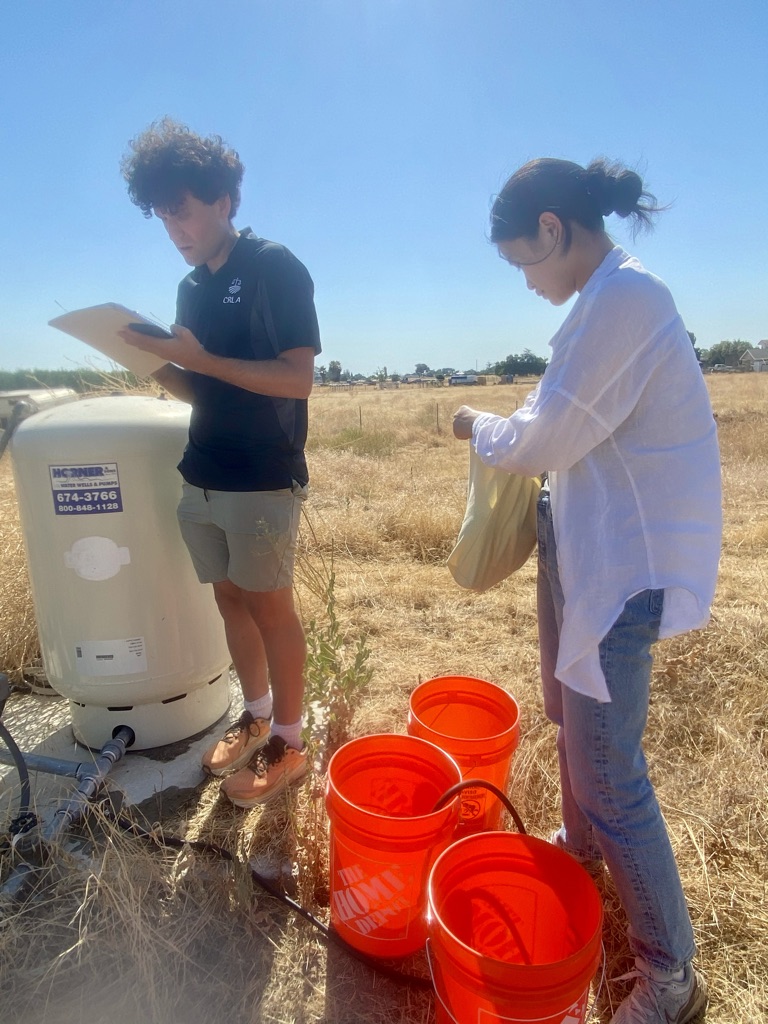
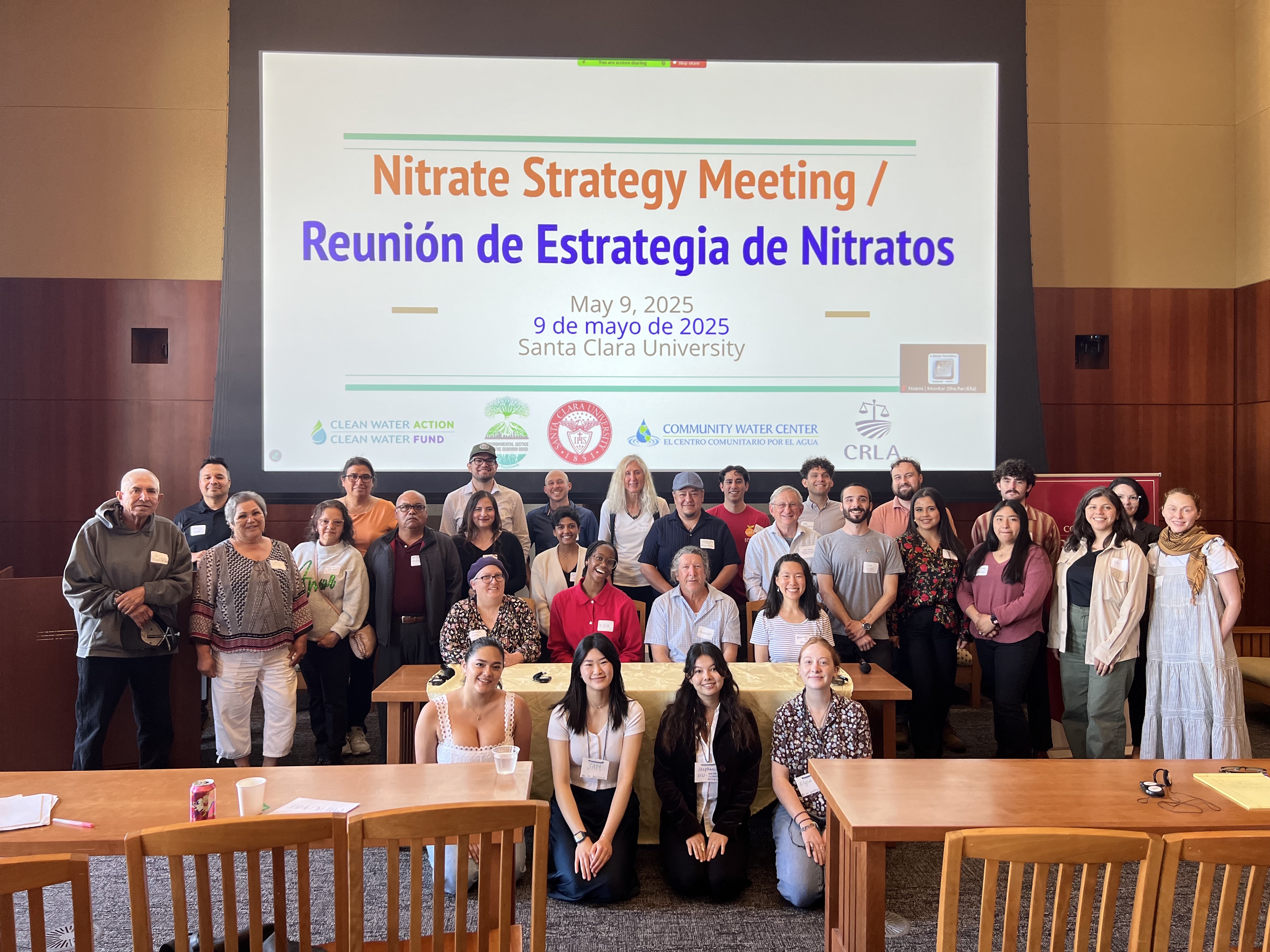
Iris Stewart-Frey and the Water and Climate Justice Lab collaborated with the Community Water Center, the California Rural Legal Assistance, the Environmental Law Foundation, Clean Water Action, the Leadership Council for Justice and Accountability, Monterey Waterkeepers, the California Coastkeeper Alliance and the Natural Resources Defense Council to organize a one-day bilingual conference at SCU. Representatives from environmental organizations, community committees, and academia heard community testimony, shared information, and developed strategic goals for nitrate regulatory programs (such as CV-SALTS, Ag 4.0, and the Dairy Order) and clean water advocacy. Iris Stewart-Frey and Jake Dialesandro presented new findings on how nitrate in groundwater varies in space and time, especially near Concentrated Animal Feeding Operations (CAFOs). Student lab members Elyse Kenyon, Stephanie Davis, and Samantha Lei contributed to the presentation. Victory Chika Okafor, Sophia Toribo, and Briana Guingona supported the logistics. Bay Area Food Systems Resilience Learning Exchange
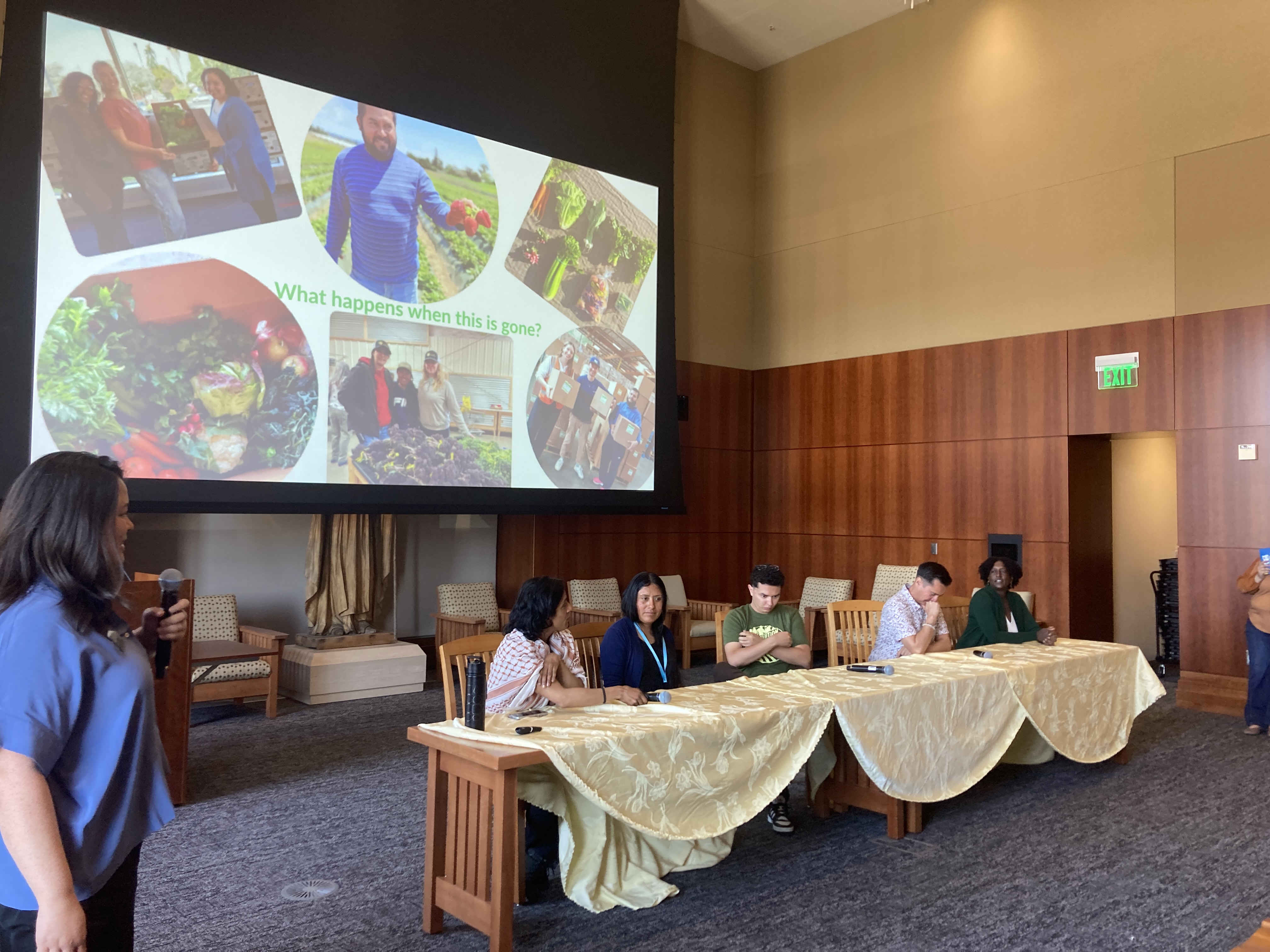
Chris Bacon partnered with Veggielution, UC Cooperative Extension, Valley Verde, and the South Bay Food Justice Collaborative to organize a half-day workshop and exchange among 21 organizations. Participants included twelve community organizations, faculty and students from five higher education institutions, three independent businesses, and one government agency. Program managers, County of Santa Clara Grant Food Resilience Grant recipients, leaders, policymakers, advocates, and researchers involved in systems change work in the South Bay area shared results of initiatives guided by the Santa Clara County Food Systems Work Plan and related efforts to advance food security, food sovereignty, and resilience. Image credit: Garry Sotnik Recent ProgrammingAgroecology and Cooperative Food Systems Change Conference
In April, the Initiative’s Christopher Bacon and Maria Eugenia Flores Gomez co-organized a conference with the South Bay Food Justice Collaborative, Veggielution, UC Cooperative Extension, and Valley Verde. The conference shared action and research initiatives to advance food security, food sovereignty, and resilience in South Bay food systems and beyond. Participants analyzed potential disruptions and developed scenarios, such as funding cuts to food systems work, that we could anticipate in the near future. The group also developed strategies, such as mutual aid, skill shares, and other ideas, to plan collective action responses using agroecology and community organizing to secure the human right to food for all and accelerate the transition toward more sustainable food systems. Cooperative Action for Food Justice
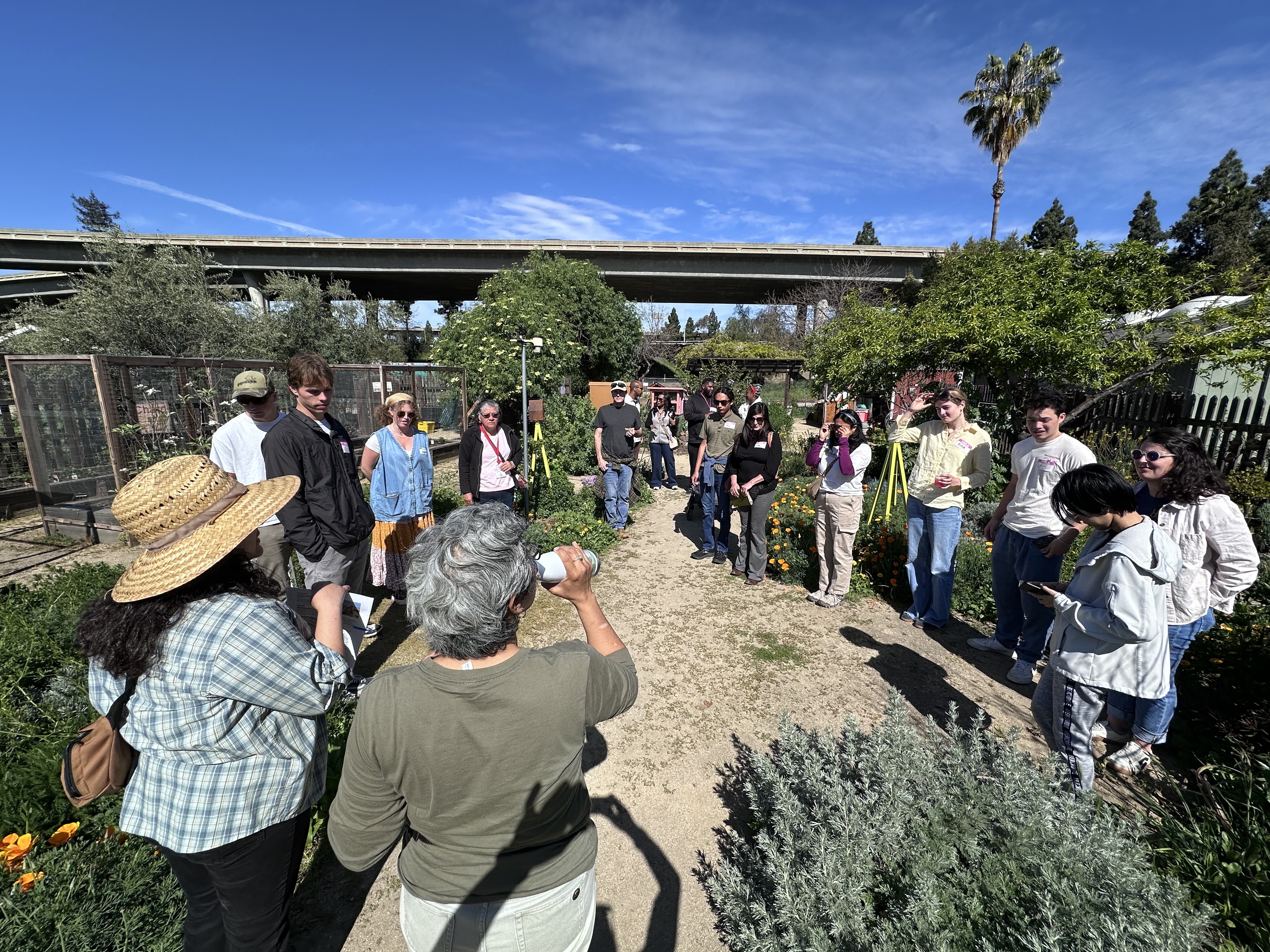
Christopher Bacon and Maria Eugenia Flores Gomez collaborated with Veggielution to offer a hands-on farm tour and cooking demonstration at Veggielution’s urban farm in San Jose, focused on food justice, sovereignty, and advocacy. Participants learned about how worker-owned cooperatives prepare nutritious, culturally-preferred meals and explored sustainable farming practices like bioswale management, soil fertility, and emergency food distribution. Image credit: Kate Parent In Our TeachingFood Justice Course Learns with Partners in the Philippines and San Jose
SCU students in Chris Bacon’s food justice course participated in an online cross-cultural exchange with our Advisory Board member, Pedro Walpole, and youth organized with the Apu Palamguwan Cultural Education Center (APC) in Mindanao, Philippines. Discussion focused on Indigenous food systems, youth experiences of climate change, and other hazards impacting agriculture, livelihoods, and food and water security in Mindanao. Students learned how indigenous Filipinos use agroecology and cultural approaches to respond to climate change and other hazards with strategies rooted in reciprocity, intercropping, integrated soil management, education, and lifting marginal voices to advocate for their land tenure and fair governance. The SCU food justice class also partnered with our Ignatian Center for Jesuit Education to engage in community-based learning with local urban farms and emergency food distribution sites. Students shared lessons from these placements and considered local-to-global strategies that combine recent research with Pope Francis’ Laudato Si encyclical to develop policies for shifting to sustainable food systems, to be shared at the forthcoming COP30 climate change negotiations. Environmental Communication Course Develops Campaign and Public Engagement Materials
Project teams in Chad Raphael’s Environmental Communication course developed social media postings, videos, and other materials to support several of the SCU Center for Sustainability’s current campaigns. Topics included the promotion of composting at the Forge Garden, thrifting at Bucky’s Closet as an alternative to fast fashion, testimonials from athletes about how they practice energy and water conservation on campus, and fundraising materials for Day of Giving. An additional team created a fact sheet and slide deck about how Jesuit Universities could join an international program of electronics purchasers to reduce workers’ exposure to hazardous workplace chemicals. As part of their study of risk communication and public engagement in environmental decision making, students also designed public consultation plans to address a fictional scenario involving a proposal to build a plastics-to-energy facility in Santa Clara. Image credit: ILO Asia-Pacific Water and Climate Justice Knowledge Exchange
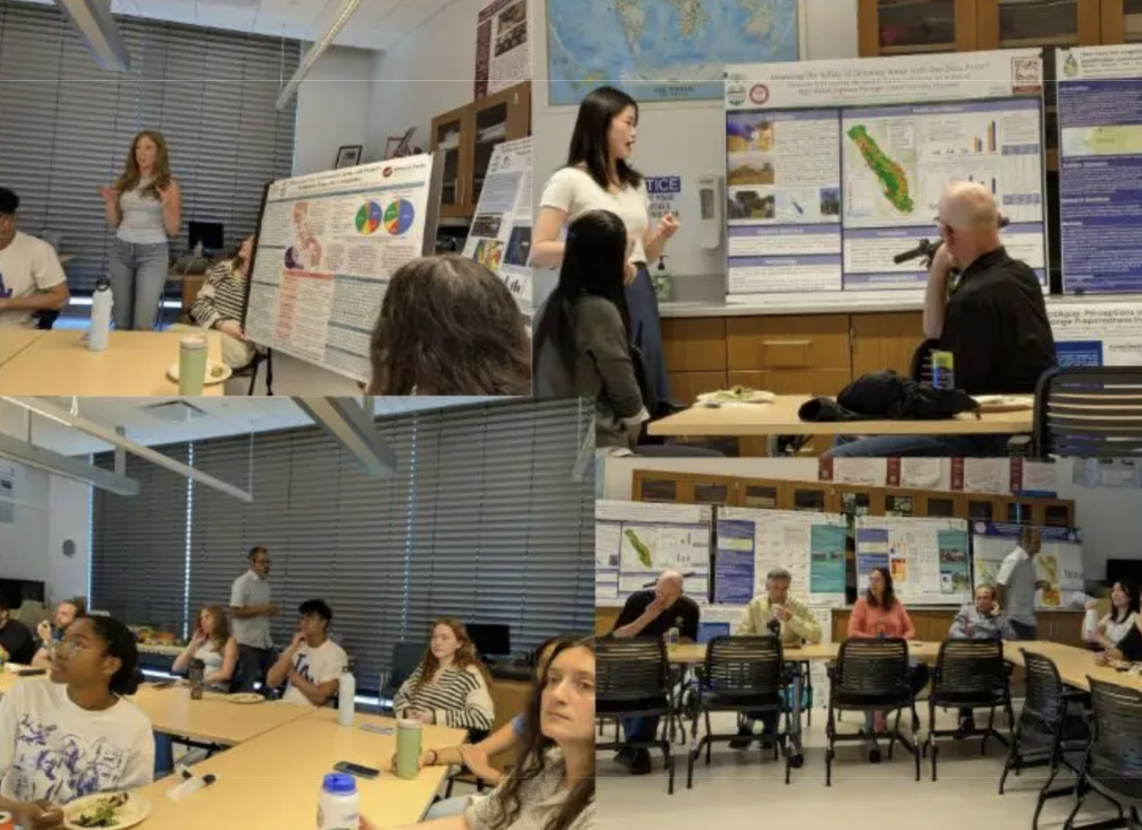
On April 9, the Water and Climate Justice lab organized a multidisciplinary knowledge exchange of student and faculty environmental justice research in several departments. Participating faculty included Iris Stewart-Frey and Will Rush (Environmental Studies and Sciences); Ed Maurer, Aria Amirbahman, and Rocio Segura (Civil, Environmental, and Sustainable Engineering); Allan Baez Morales (Frugal Innovation Hub); Qiuwen Li (Art and Art History); David DeCosse (Ethics Center); and Maia Dedrick (Anthropology). Faculty and student presenters shared lunch and learned about each other's research interests and progress. Research Grant SpotlightHighlights of research supported by our research grant program. Strengthening Climate Resilience in Southeastern Mexico
The Initiative awarded a research grant to Qiuwen Li (Art and Art History) and Maia Dedrick (Anthropology) for their project, “Community-Centered Forecasting: Strengthening Climate Resilience in Southeastern Mexico.” The project works to improve climate resilience for smallholder farmers in southeastern Mexico by combining human-centered design, climate science, anthropology, and Indigenous farming knowledge. Faculty and students will partner with local communities and an NGO to enhance NicaAgua, a climate forecasting app, promoting sustainable practices and environmental justice. Student SpotlightSamantha Lei Wins Two National Fellowships
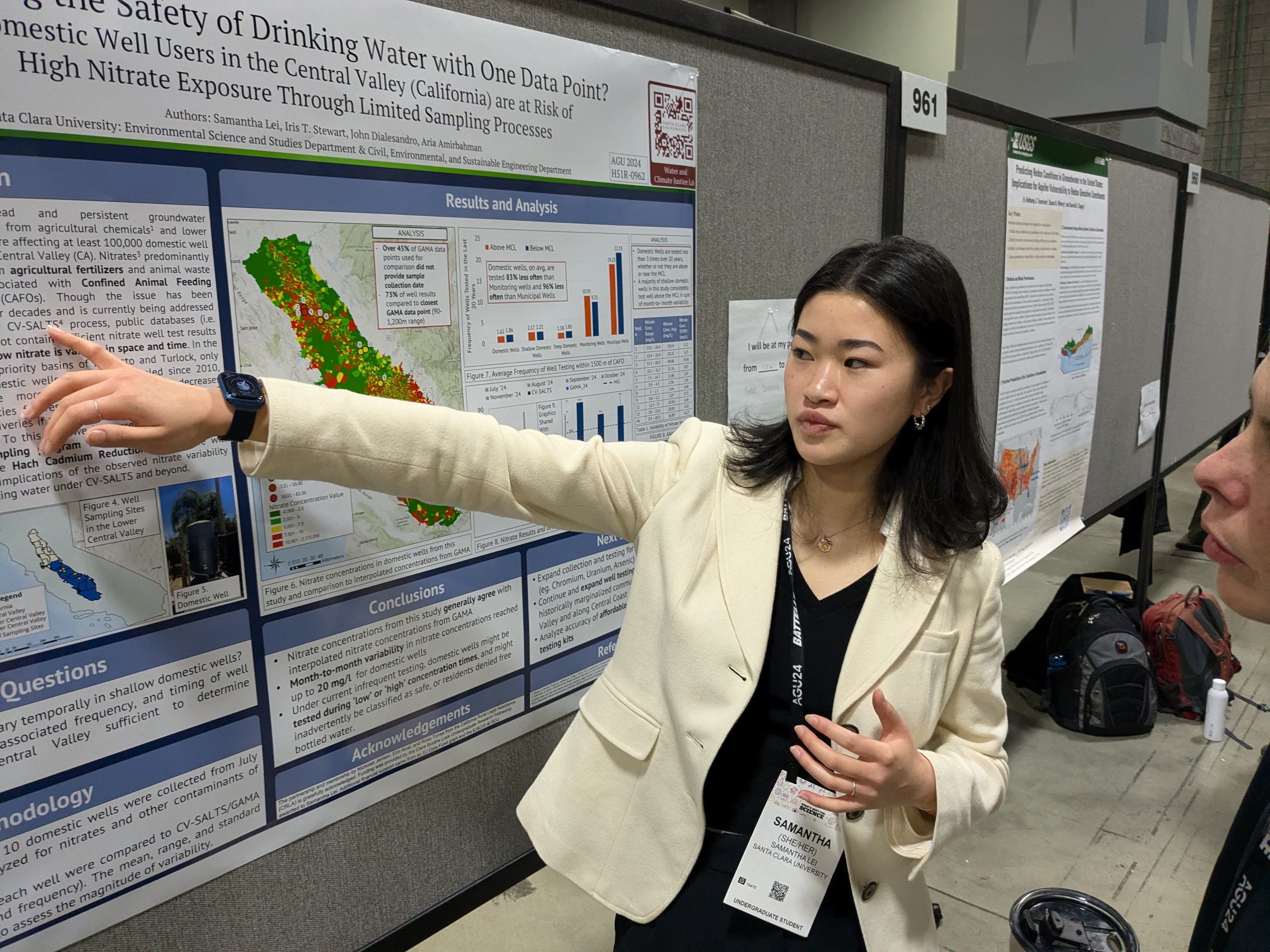
Congratulations to rising senior Sam Lei, who won Goldwater and Udall national fellowships based on her academic achievement, her research work with Iris Stewart-Frey in the Water and Climate Justice Lab since her freshman year, and her vocational aspirations. Sam (shown here presenting at the American Geophysical Union annual conference) has led a monthly well testing program in the Central Valley for residents in areas dependent on domestic wells. She also leads the water quality lab and data analysis for both nitrates and metals, and the communication back to the communities about potential red flags. The Udall Scholarship Program identifies future leaders in environmental, tribal public policy, and health care fields. The Goldwater Scholarship Program supports outstanding undergraduates interested in pursuing research careers in the sciences, engineering, and mathematics.
Check us out on our social media channels:
|












| Home | Privacy Policy | Unsubscribe |
Environmental Justice and the Common Good Initiative Santa Clara University 500 El Camino Real Santa Clara, CA 95053 environmentaljustice@scu.edu |