Ethical perspectives in health care by members of the Health Care Ethics Internship Program.
HCEI Interns and Ethics Center bioethics staff share perspectives around a variety of health care and bioethics related ethical dilemmas.
Subscribe to receive email notification when new blog posts are published.

Police are routinely dispatched to mental health crises, yet these encounters disproportionately result in harm for individuals of color, a pattern long highlighted by racial justice movements like Black Lives Matter. This predictable pattern exposes a deeper ethical tension: can a system grounded in enforcement defend a model that endangers those it is meant to protect?
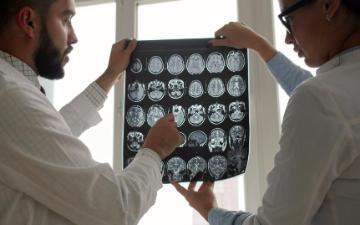
Explainability techniques seek to remedy the “black box” problem of AI. This piece argues that they are ethically insufficient in a health care context, and that interpretable and rigorously validated models should be used instead.

The United States health care system has undervalued primary care for the last thirty years, which has directly disincentivized physicians from entering primary care and has led to severe access inequalities.
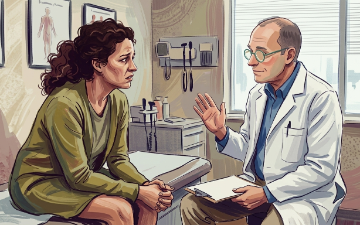
Endometriosis affects 1 in ten women, yet the average diagnosis takes 7–12 years. This diagnostic delay is not a medical mystery–it is a credibility crisis rooted in systemic gender bias in medicine. Accountability is a scientific obligation and an overdue legislative call to action.

Immigration enforcement in and around hospitals threatens trust, decreases quality, disrupts health care delivery, and places clinicians in morally impossible positions. This piece argues for concrete, legal hospital policies that protect patient safety, privacy, rights, and staff integrity.
