Santa Clara University Community Member

Compare the seven main types of MBA programs, from full-time to executive and online, with clear examples of who each format works best for.
Synopsis: During an internship at EY San Francisco, a student learns to embrace constant feedback as a sign of professional investment rather than criticism. This shift in perspective refines their communication skills and builds the confidence needed to mentor others with purpose.


From SQL to AI-powered dashboards — the five tools shaping data analyst careers in 2026, and how Leavey's MS programs teach them hands-on.
 Register and Join Us for a Series of Four Webinars
Upcoming webinars will address four themes from the recent encyclical: AI and education, AI and labor, AI and consciousness, and disarming AI.
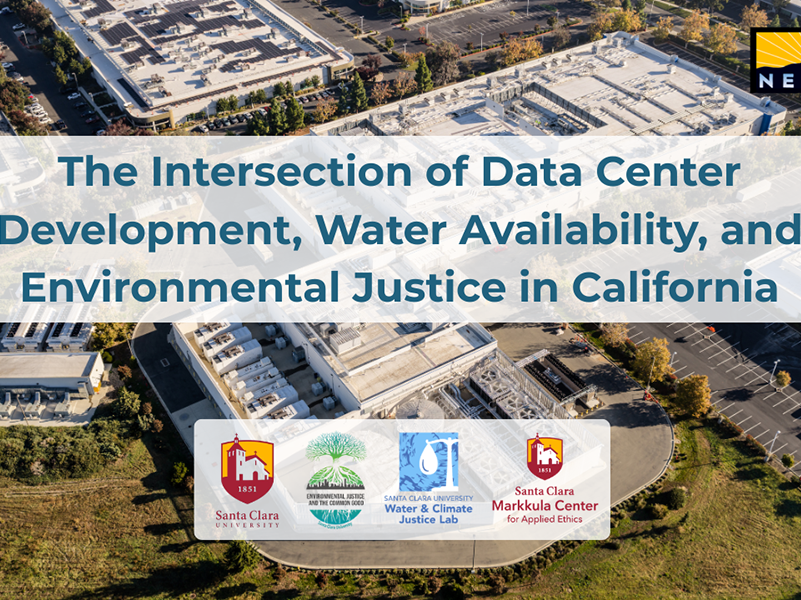
Data Centers Expanding into Water-Stressed, Vulnerable Communities in California
Progress on Research and Advocacy for Clean Water in California’s Central and Salinas Valleys, and an Application with Climate Forecasts for Farmers in Nicaragua

Published research study on climate-driven environmental changes during major ancient global warming event

Housing affordability pressure and climate goals shape development in Santa Cruz
Study identifies need for more coordination and resources to address heat risks for people experiencing homelessness
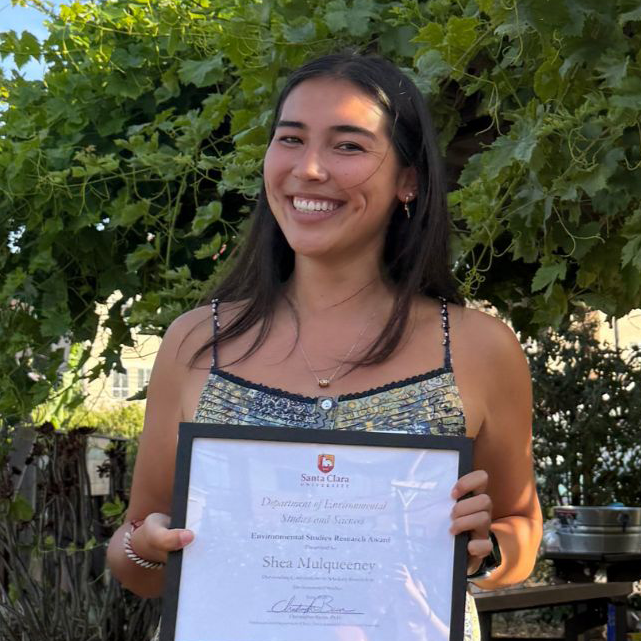
Honoring Outstanding Students

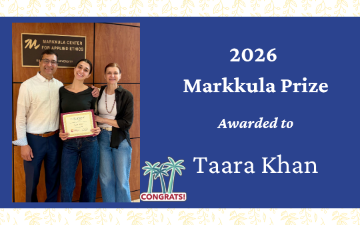
A warm send off to the Ethics Center Class of 2026 and awarding this year's Markkula Prize for outstanding commitment to ethics.

How does media representation of Middle Eastern and North African (MENA) women affect their democratic participation? More specifically, what are the mechanisms by which representation either enables or forecloses participation, and how can the negative cycle be broken?

Davina Hurt, director, government ethics, quoted by The Wichita Eagle.

Irina Raicu, director, internet ethics, interviewed by NBC Bay Area.

Ann Skeet, senior director, leadership ethics, quoted by Fortune.

Music Professor Christina Zanfagna and Film/Communication Professor Michael Whalen are collaborating on a documentary entitled BLACKITALIAN.

Meet Business Major Summer Orientation Leaders
- Rebecca Chae, Assistant Professor of Marketing
Journal of Association for Consumer Research (Forthcoming)