Fellowships
The CAH Fellows Program supports research and creative work in the arts and humanities by faculty and students. Each year a cohort of faculty and student fellows pursue projects funded by the CAH, develop collaborative programming based on those projects, and join each other in community-building both on and off campus.
Faculty Fellows
We are pleased to announce our 2025-2026 cohort of CAH Faculty Fellows.
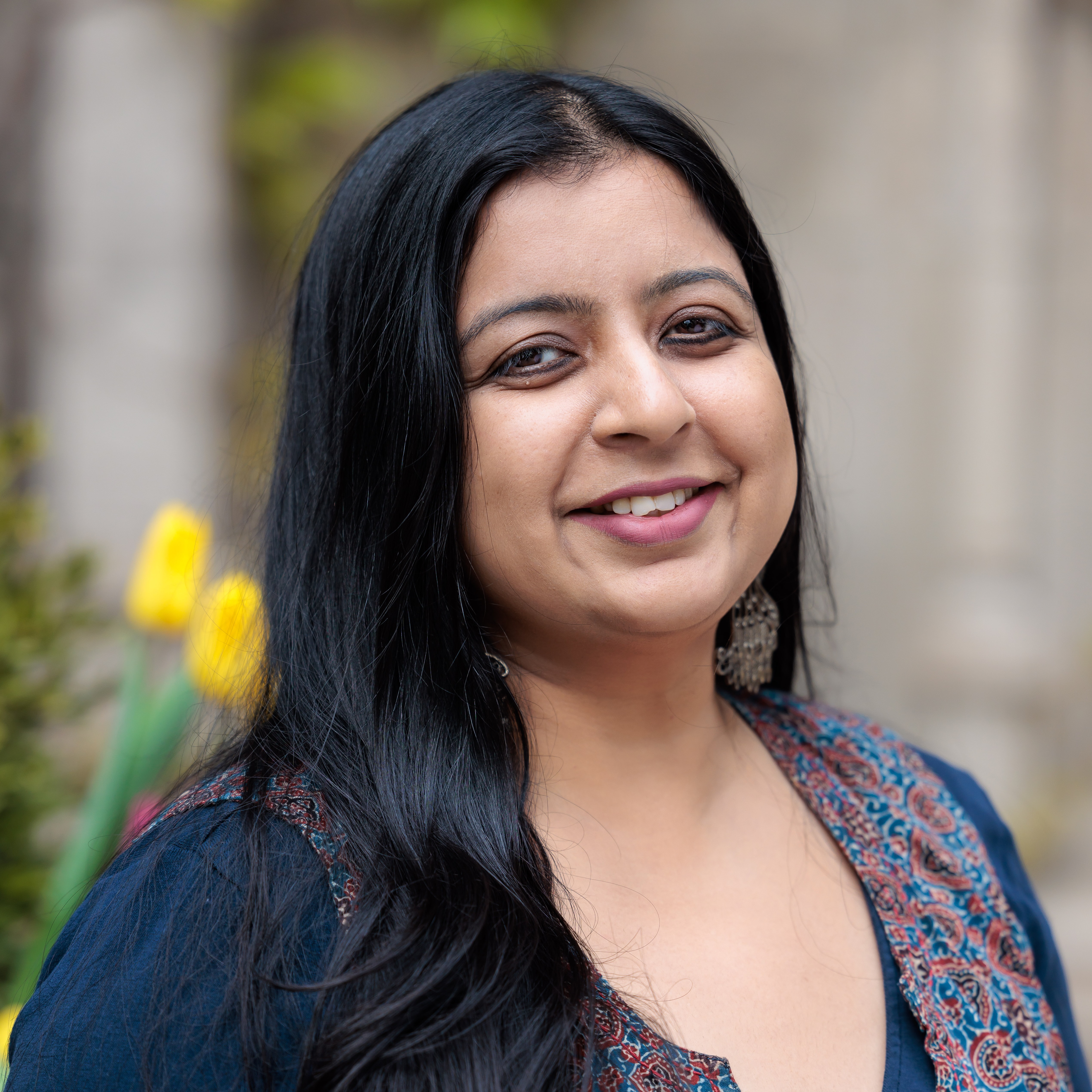
Supurna Dasgupta, "Ordinary Utopias: Gender and Joy in South Asian Media"
This project focuses on contemplating the joyful possibilities surrounding everyday gendered living in South Asian cities. I will be developing an article titled “Ordinary Utopias: Gendered Mobility in All We Imagine as Light,” in which I analyse this 2024 film to show how movement and stasis animate the lives of migrant women workers in the Mumbai metropolitan area. Concurrently, I will be hosting film screenings and discussions on this thematic framework for the larger SCU community including students and staff. Finally, I will be working with the SCU library to set up some book recommendations on the theme to increase visibility of contemporary South Asian life and its gendered norms.
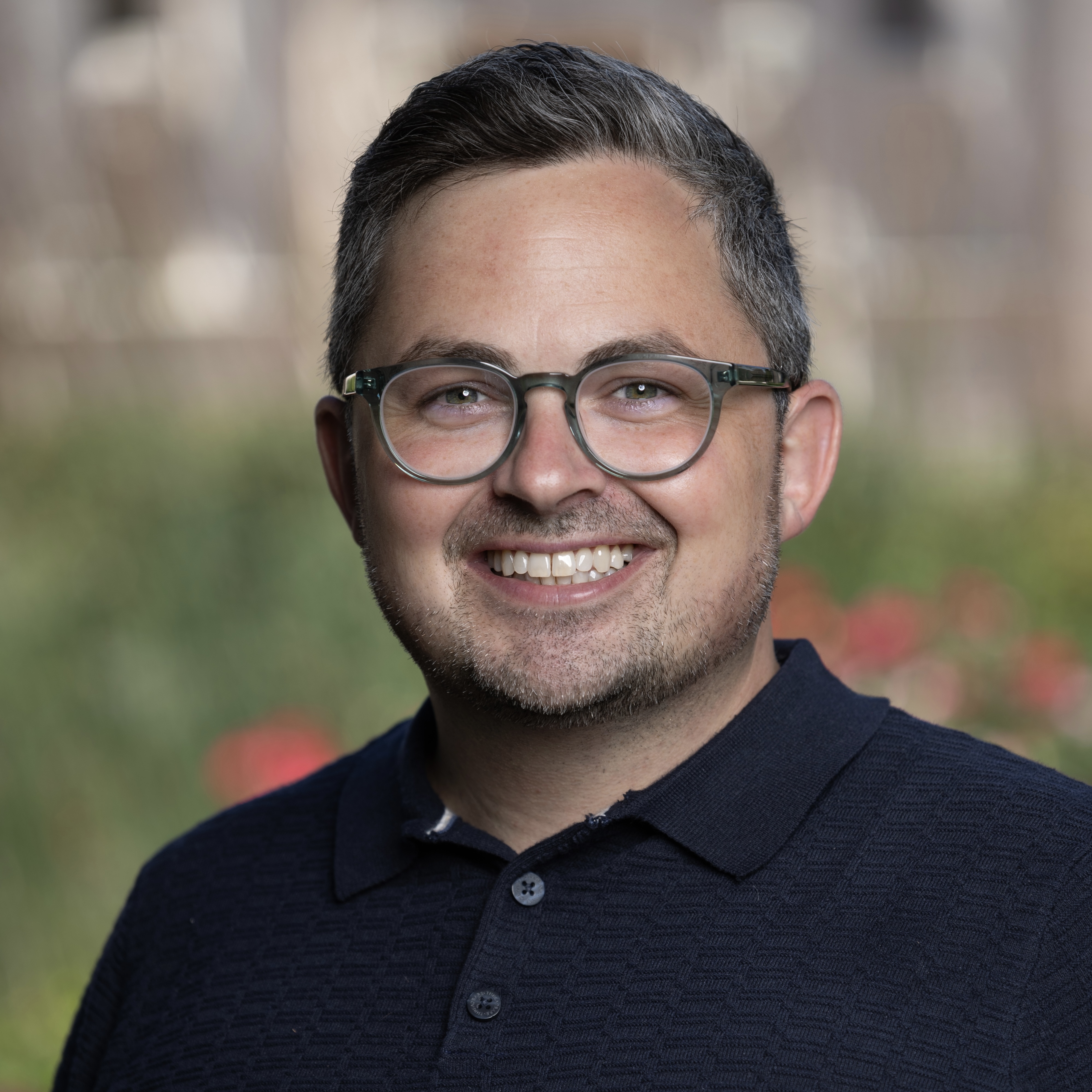
Benjamin Gillespie, “Archiving Queer Performance: Joyful Rebellion and Legacy in the Later Work of Split Britches”
This fellowship will support the completion and release of Split Britches: Fifty Years On (University of Michigan Press, 2027). This is the first volume to document the later work and legacy of the groundbreaking lesbian-feminist theatre troupe Split Britches founded in New York in 1980 by Peggy Shaw and Lois Weaver. Through archival research, critical essays, interviews, and a digital performance companion, the project examines how Split Britches' performances use lesbian desire, humor, and theatrical experimentation to challenge the cultural erasure of queer histories, aging bodies, and marginalized identities. The project will culminate in an artistic residency on campus featuring a performance by Shaw and Weaver along with public workshops and conversations that engage the SCU community in questions of joy and resistance in and as performance.
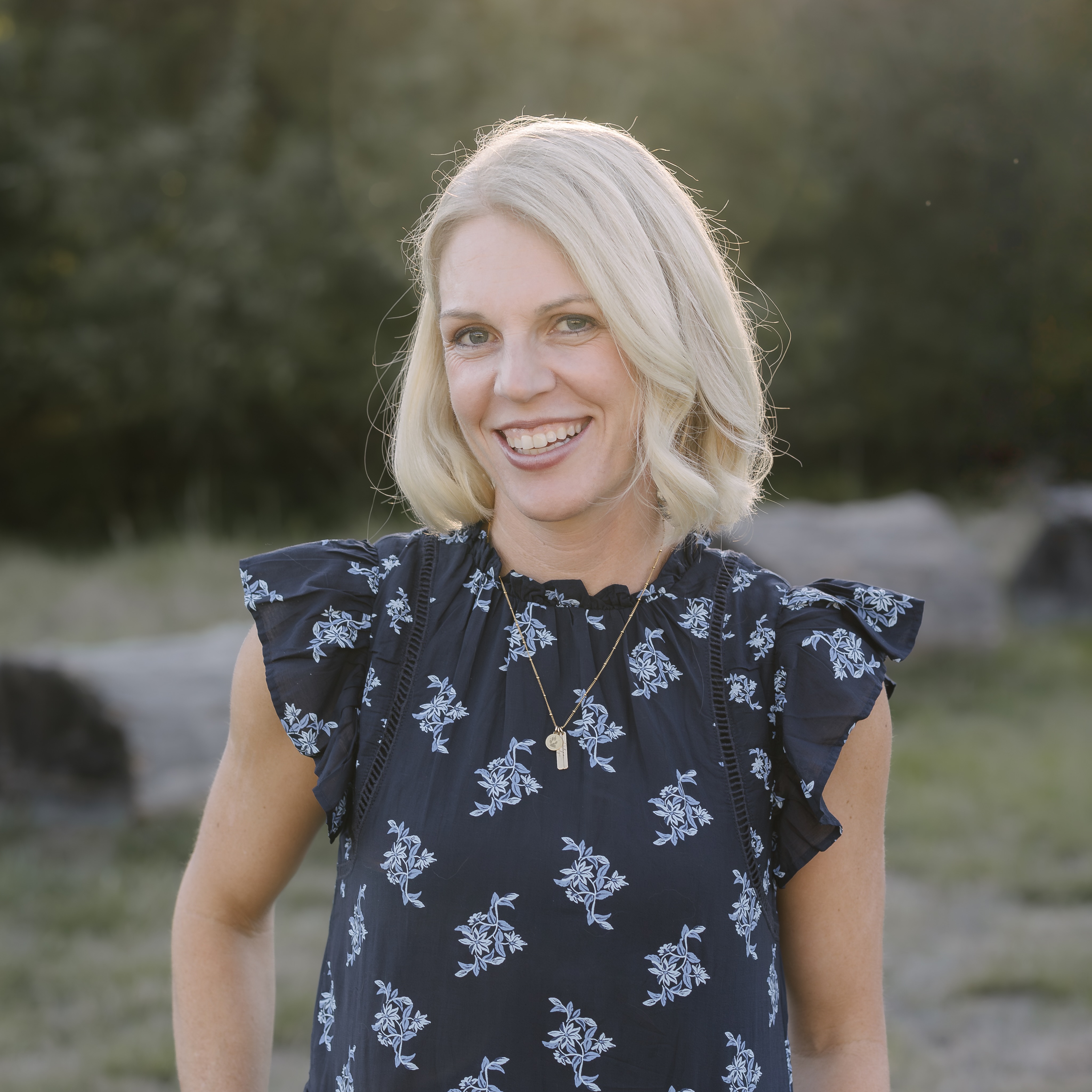
Meg Eppel Gudgeirsson, "Expecting Great Things: The Fight against Racial Caste at the Interracial Berea Literary Institution, 1857-1904”
"Expecting Great Things: The Fight against Racial Caste at the Interracial Berea Literary Institution, 1857-1904” centers on the abolitionist and anti-caste community in the slave state of Kentucky that sought to challenge both slavery and racism through education and religion. Through the founding of an interracial school, which later became Berea College, the community’s leaders sought to use education to create a generation of children who would embrace racial equality. The anticipated outcome of this project is a published manuscript and a corresponding digital exhibition.
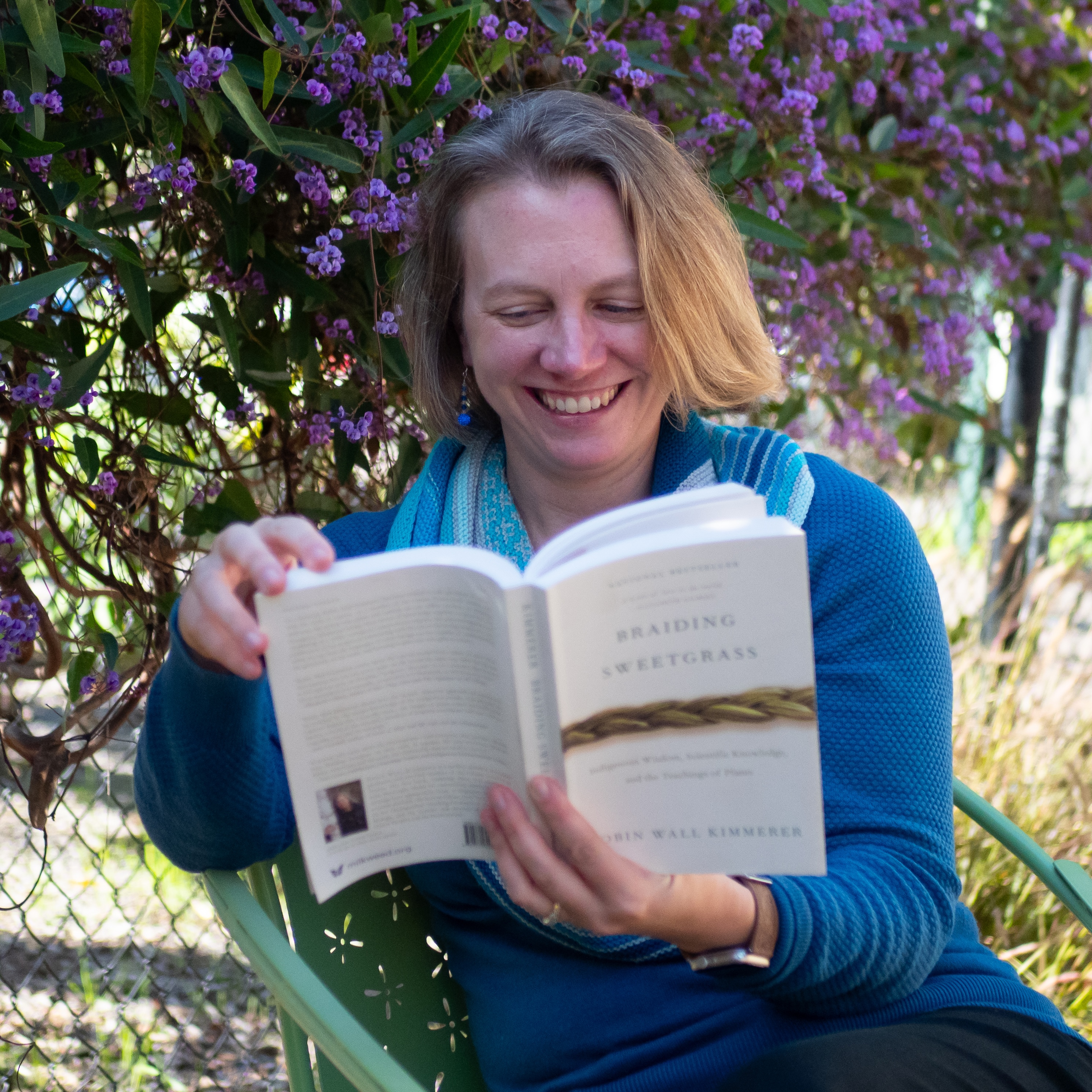
Maria Judnick
Since 1982, Banned Books Week in the United States has highlighted our freedom to read while drawing attention to those authors whose books have been challenged or banned. This project will celebrate the ways in which members of our SCU community can joyfully (re)connect with these banned works and support efforts to keep reading them. Along with a series of campus events and creative workshops, I hope to display art and reflections created by our community related to banned books.
An exciting part of these projects is how they will engage with students, faculty, and community partners. Stay tuned for more details about these collaborations.
Student Fellows
We are pleased to announce our 2025-2026 cohort of CAH Student Fellows.
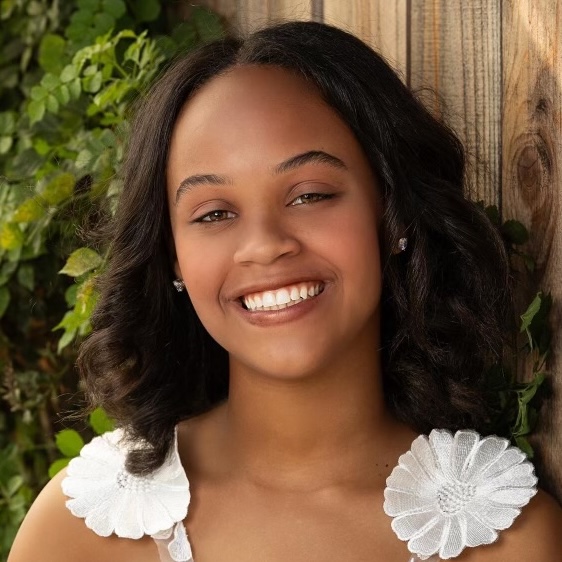
Chloe Bryant
I Can’t Move On is an ongoing novel I am posting on WebNovel, currently at 63 of 65 planned chapters, with over 140,000 words and 71,000 reads. During the fellowship, I plan to complete the remaining chapters, revise the manuscript, and prepare it for publication. Blending crime fiction and romance, the story follows Ryder Callahan, a 21-year-old dropout navigating systemic failure, identity, and vulnerability, whose life becomes entangled with a powerful mafia figure, Dominic Caruso, and the novel challenges stereotypes about young people of color and explores trauma, power, and connection, hoping to center marginalized voices with depth and complexity.
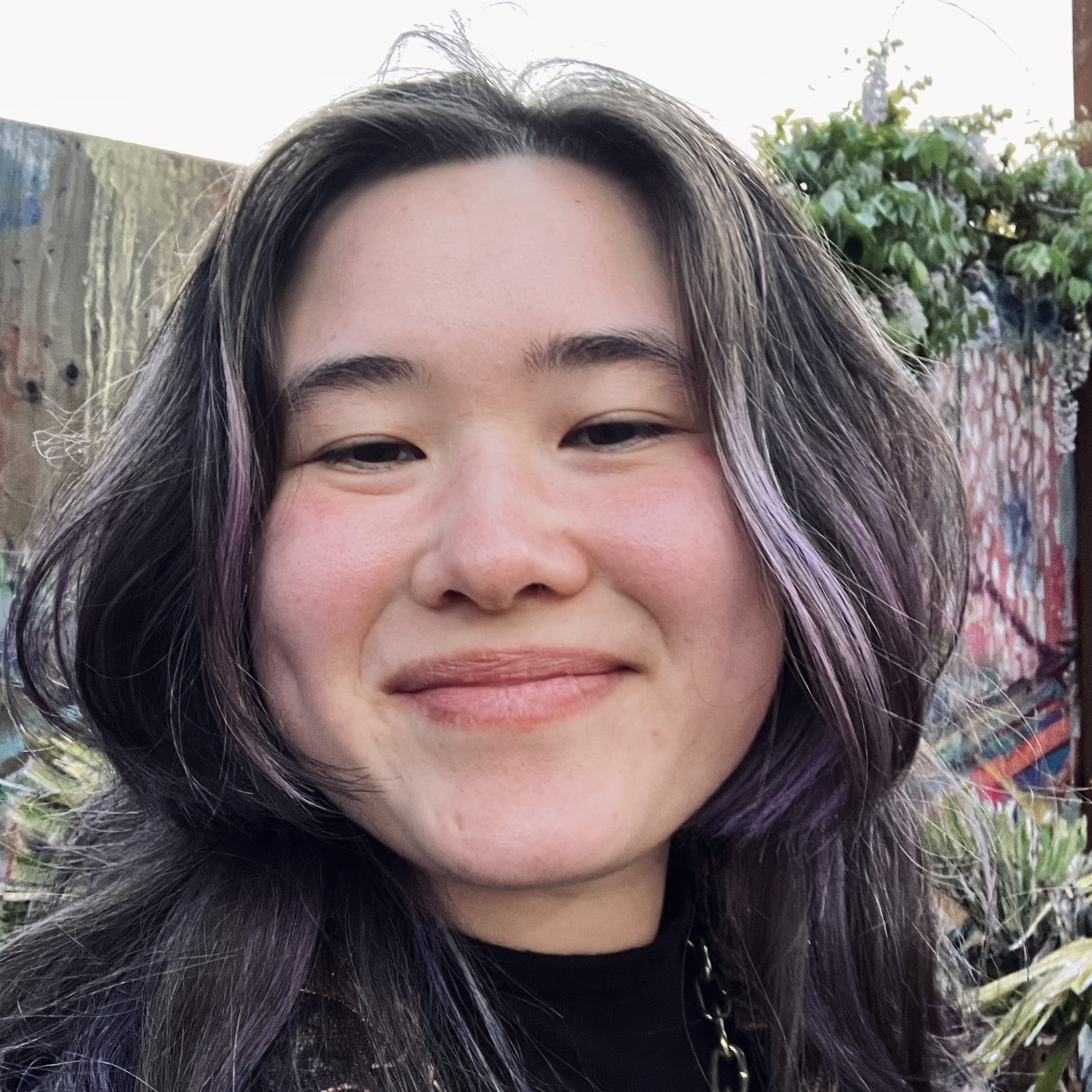
Raychel Hatch
"Every Cell: the Intersection of Mental Health, Culture, and the Soma. Faculty Supervisor" My project aims to investigate how somatic movement contributes to resilience in our mental health, through the lens of multicultural dance forms. In a 10-15 minute documentary, I will highlight various dance forms practiced within the Bay Area dance community –particularly dancehall, reggaeton, and contemporary fusion, as all three of which were created in the context of expansion and resistance. My exploration builds upon existing initiatives of holistic therapy –how can we consider every cell of the body in healing?
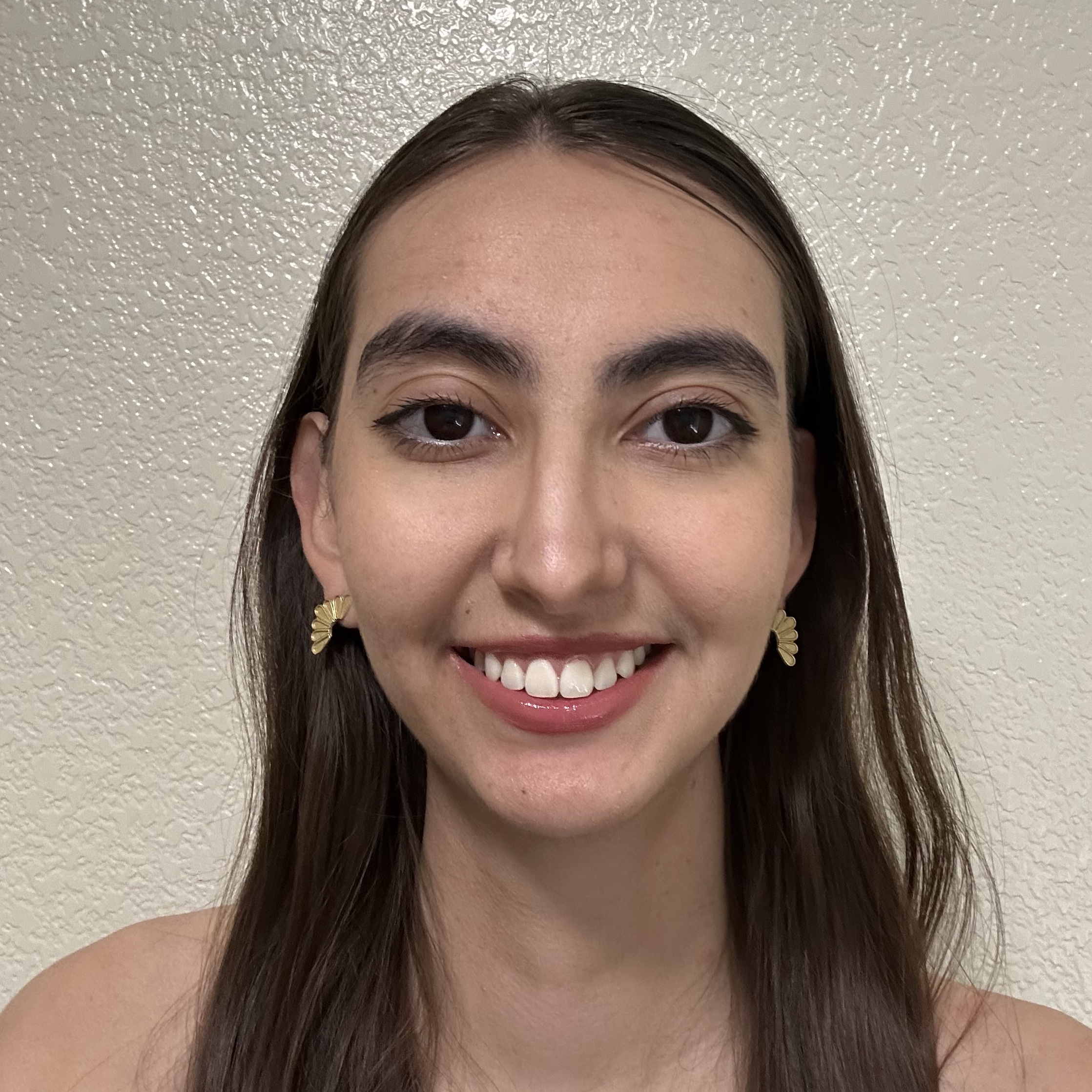
Tristen Lujan
For my project I will design and make four glass-on-glass mosaic portraits of trickster deities in different mythologies: Eris (Greek mythology), Loki (Norse mythology), Inari (Japanese mythology), and Set (Egyptian mythology). My objective is to visually capture portraits of characters that embody mischief, chaos, and an existence lived both in and out of the box. It’s a universal archetype that serves the unlikely purpose of maintaining balance and perspective in a world that would otherwise be all black and white.
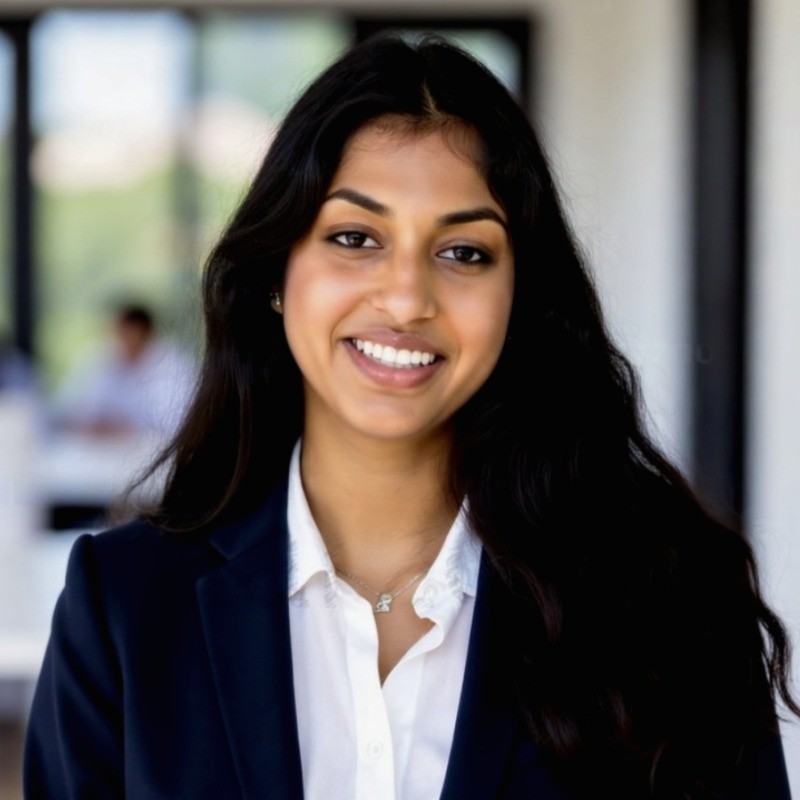
Ambika Ramadurai
“Swarams & Solfège: Arranging Carnatic Music for Western Choir” brings together two rich musical traditions to create what is believed to be the first choral arrangement of Vātāpi Gaṇapatim, one of the most celebrated compositions in the South Indian classical tradition. Drawing on 15+ years of rigorous Carnatic training, Ambika will transcribe and arrange this piece, passed down entirely through oral tradition, into Western staff notation, while situating the work within ethnomusicological and South Asian diaspora scholarship. The resulting score will be made available to choral ensembles beyond SCU, contributing to a growing conversation about honoring musical heritage and bridging bicultural experiences.
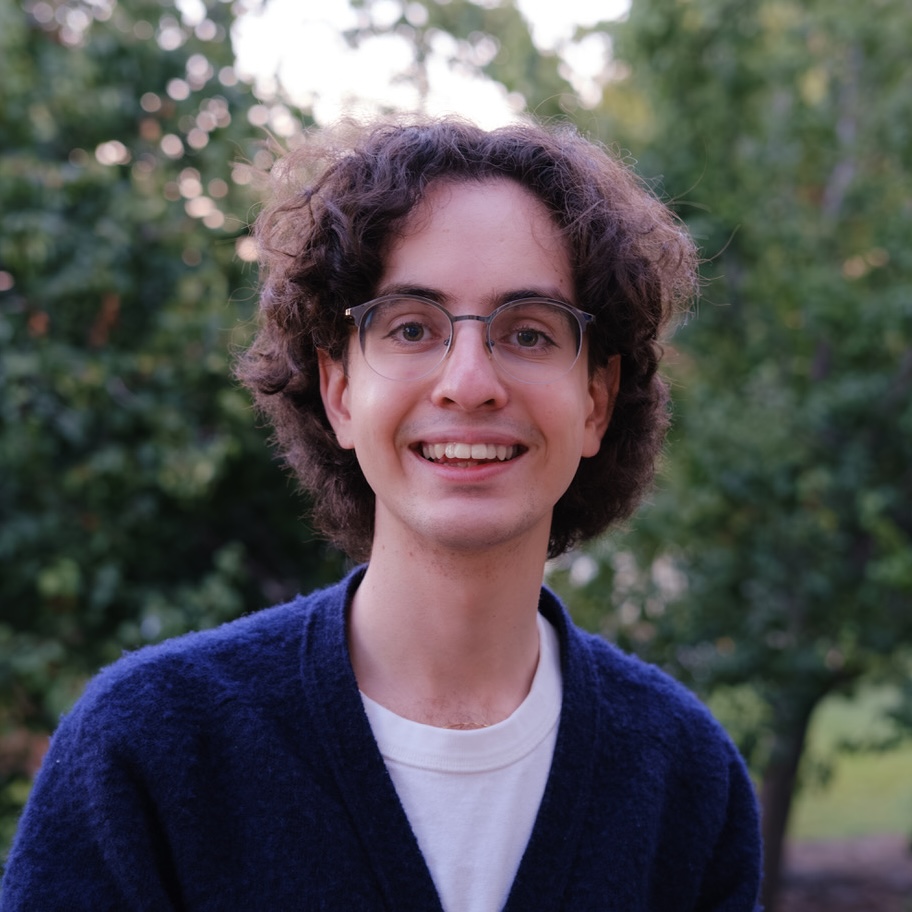
Eddie Standifer
Eddie’s work will place James Baldwin’s corpus of texts (primarily Giovanni’s Room, Go Tell it On the Mountain, If Beale Street Could Talk and some selected essays) into conversation with broader feminist and queer theory (Judith Butler and bell hooks), with a specific focus on gender performance and gender binarism in the context of American socioeconomic and racial history. Using hooks' and Baldwin's extensive work on love as an optimistic, anti-authoritarian force for change, he aims to look for ways in which these authors sought to combat the oppressive forces they described, and what a contemporary audience may glean from these analyses in the context of present-day issues.