Fellowships
The CAH Fellows Program supports research and creative work in the arts and humanities by faculty and students. Each year a cohort of faculty and student fellows pursue projects funded by the CAH, develop collaborative programming based on those projects, and join each other in community-building both on and off campus.
Faculty Fellows
We are pleased to announce our 2025-2026 cohort of CAH Faculty Fellows.
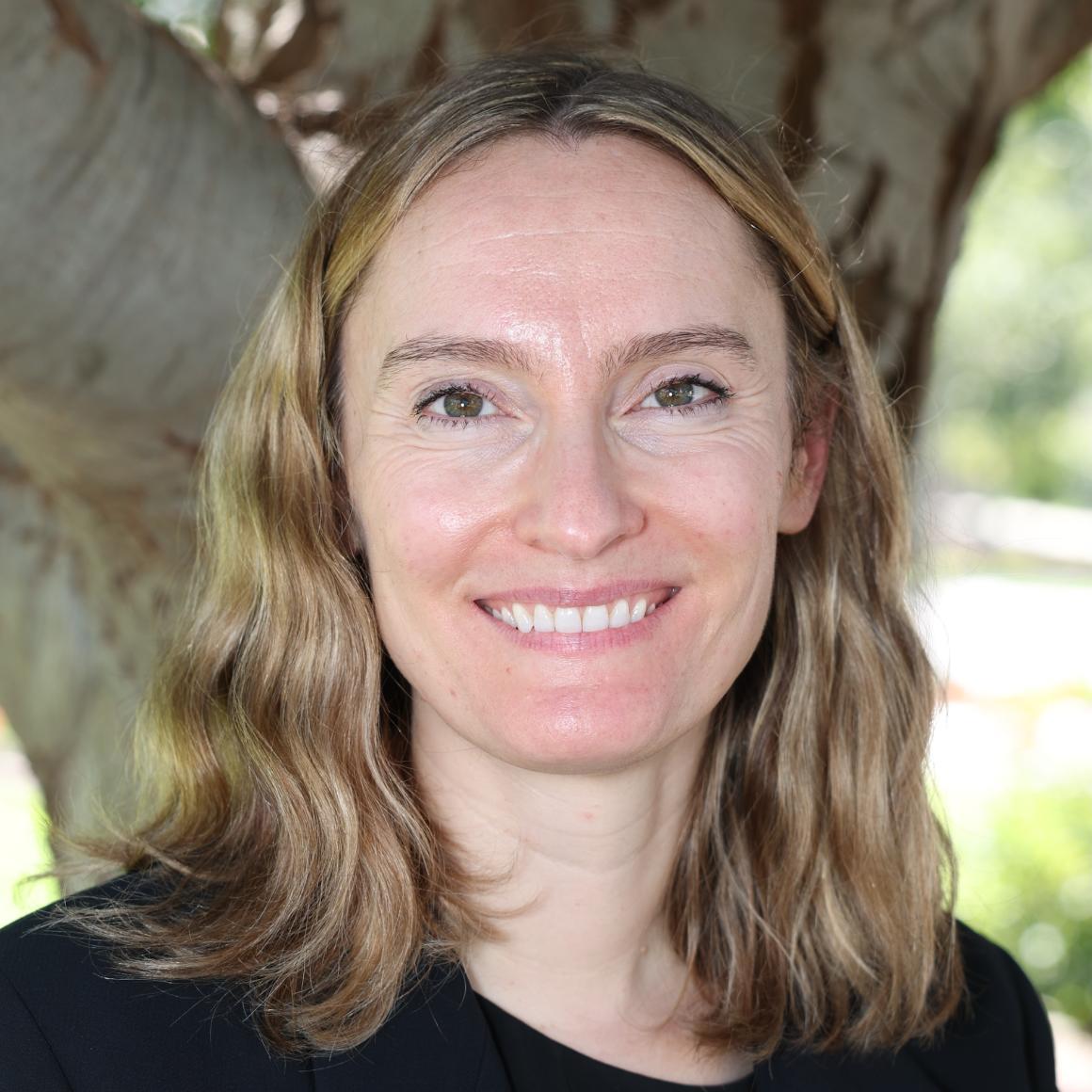
Jeannette Alden Estruth (History), “The Galactic Commons: Reimagining Interplanetary Commons from the Cold War to the Present”
The generosity of the Santa Clara University CAH Faculty Fellows Program will allow Estruth to complete her writing and workshopping of a current article-in-progress, “The Galactic Commons: Reimagining Interplanetary Commons from the Cold War to the Present” for publication.
In the early 2020s, The Washington Post, The Guardian, and Bloomberg News began defining the recent proliferation of privately-owned low-Earth-orbital spacecraft launches as inaugurating a “new space age.” During the summer of 2019, Amazon founder and multibillionaire Jeff Bezos had launched himself into suborbital space with his new space travel firm, Blue Origin. In 2019 and 2020, the U.S. Federal Government had established a sixth branch of the American military, the Space Force, and took over a long-standing joint air force base in Greenland from Denmark. By the early 2020s, academic reports issued by Perry World House at Penn, the Whiting School of Engineering at Hopkins, and the Harvard Business Review were all in agreement that the United States had entered a “new space age.” In April of 2023, MIT hosted a New Space Age Conference, and in April of 2024, McKinsey’s daily newsletter, “Chart of the Day,” dropped an article into thousands of inboxes entitled “Space: The Missing Element of Your Strategy.” The “new space,” it seemed, had arrived.
By contrast, the “old” Space Age was assumed to be located in the late 1950s and early 1960s, during the United States’ attempts to prove scientific, technological, and economic supremacy over the Soviet Union. Indeed, the primary explorers of space in the 1950s and 1960s were nation-states, not individuals, nor private corporations. So what changed? This article will trace the enclosure of outer space through American federal policy over the last eighty years. In doing so, it will argue not only that space was a galactic commons that became privatized by the American federal government and military in cooperation with private capital, but also that this process of enclosure became crucial to the current technology industry’s speculative intellectual and cultural project of imagining work without labor. The article will ask: Why is space a horizon of this imaginary? What are the stakes of this imagination? How did the enclosure of space help cheapen, obscure, and make invisible terrestrial labor? How does labor itself contest, negotiate, structure, and conflict with these processes? If the “new space” tech barons have made a grab for political power over the imagined future of outer space, what is the history of this grab? If technologies become sites of politics, how has space exploration been embedded in, and become constitutive of, social relations and state formation?
For many of today’s lawmakers and investors, commercial space ventures are the imagined future of space. The goal for emerging space travel firms is to make commercial flights common and affordable enough for residential space colonization to increase, and to open the possibility of mineral mining on the moon and Mars. They seek to open new frontiers for resource extraction, to expand surveillance and mapping of earth, and to provide viable habitation for a galactic elite. The dream is that a select group of people will emigrate from earth, and settle in the heavens: the envoys not of mankind, but as deserters of it.
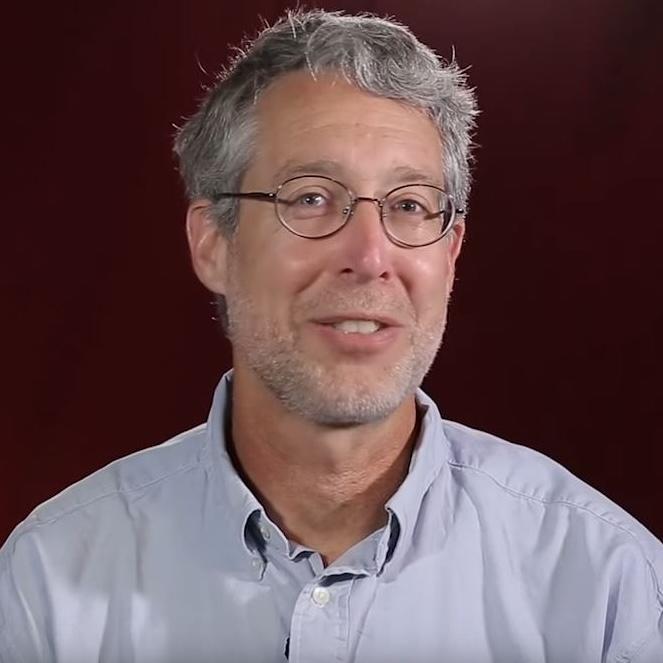
Michael Kevane (Economics), “Voices of Tomorrow: Science Fiction Stories by Students, for Readers in Ghana and Burkina Faso, Illustrated by Africa-Based Artists”
Prof. Kevane’s project “Voices of Tomorrow: Science Fiction Stories by Students, for Readers in Ghana and Burkina Faso, Illustrated by Africa-Based Artists” continues work he has been doing since 2001, supporting community libraries and reading through the non-profit organization Friends of African Village Libraries. Since a civil conflict has closed almost 20 community libraries in Burkina Faso, FAVL has in recent years produced and distributed more than 75,000 copies of 150 locally-authored and illustrated chapbooks. As a new initiative in that chapbook effort, Kevane hopes to foster more genre writing and reading. Working in collaboration with Prof. Kirk Glaser (SCU English), this project will pair Santa Clara University students with Africa-based illustrators to develop science-fiction themed chapbooks in the Afrofuturism style. The chapbooks will be produced and distributed to libraries and schools in Ghana and Burkina Faso. Click here (www.mkevane.com) to learn more about Prof. Kevane and his research Program.
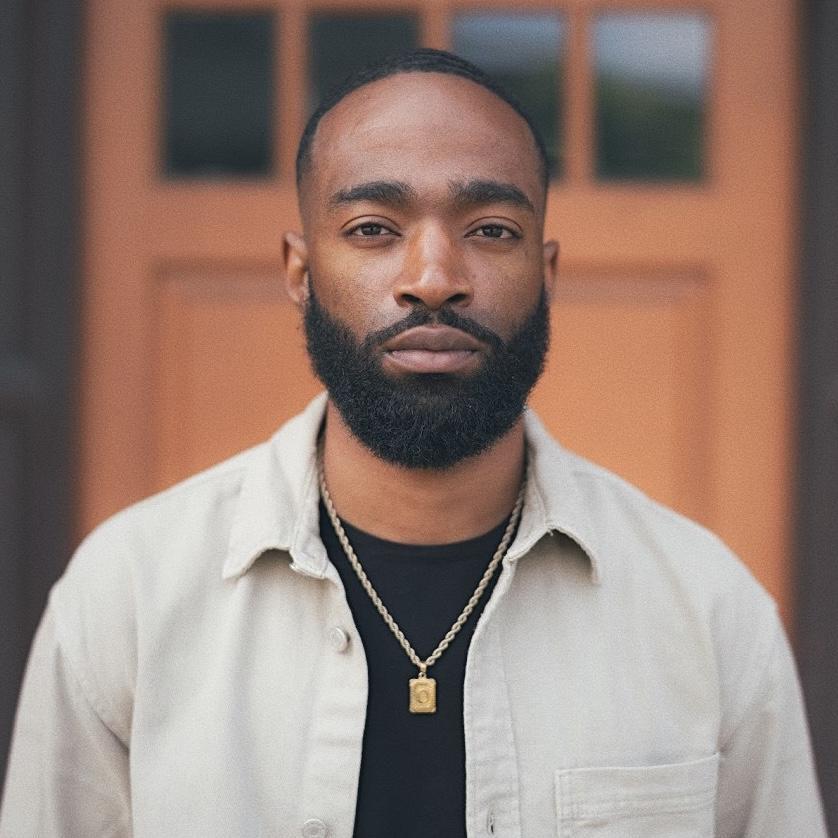
Daniel Summerhill (English), "Building a Language, Building a World"
"Building a Language, Building a World" is a multi-phase project that includes the curation of an anthology of abolitionist poets, a reading and panel discussion, as well as resources for those interested in transforming their understanding of harm, healing and justice. Poetry and social justice are inherently linked if we think of language as a tool for empathy, truth-telling and world building–all functions that literary giants such as June Jordan, Audre Lorde, James Baldwin, Langston Hughes and others understood as the enterprise of "writing." Their work on and off the page are testaments to that legacy. Speaking about his role as a “social poet,” Langston Hughes said, “the moon belongs to everybody.” In this way, we are all both admirers of the moon and also keepers of it. Hughes spoke of his early work as “social poems” because they were about people's problems – whole groups of people’s problems – rather than his own personal difficulties. Hughes’ statement echoes the importance of empathy and the human requirement to be understood and to understand. James Baldwin said he wrote to “bear witness to things that everybody knows but refuses to face.” I liken Baldwin’s discussion to echo the sentiment of poetry being the work of witness, truth telling and excavation. The Center for Arts and Humanities facet of this project will include a reading and talk by writers working at the intersection of prison abolition and poetry.
An exciting part of these projects is how they will engage with students, faculty, and community partners. Stay tuned for more details about these collaborations.
Student Fellows
We are pleased to announce our 2025-2026 cohort of CAH Student Fellows.

Sophie Copple ’26 (English, French and Francophone Studies), "Critical Conversations with Virginia Woolf and Non-Canonized Minority Modernist Authors" (Advised by Danielle Morgan, English)
Sophie will be continuing work on her website, "Underrepresented Modernism Project," by performing research putting three lesser known women authors in conversation with Virginia Woolf, to compare the ways writers of the same era with drastically different backgrounds are engaging with the world around them. The project will culminate in an extensive research paper and her own creative work inspired by her findings. The project is meant to serve as both research and a thought experiment exploring the many ways writers can be in conversation with each other.
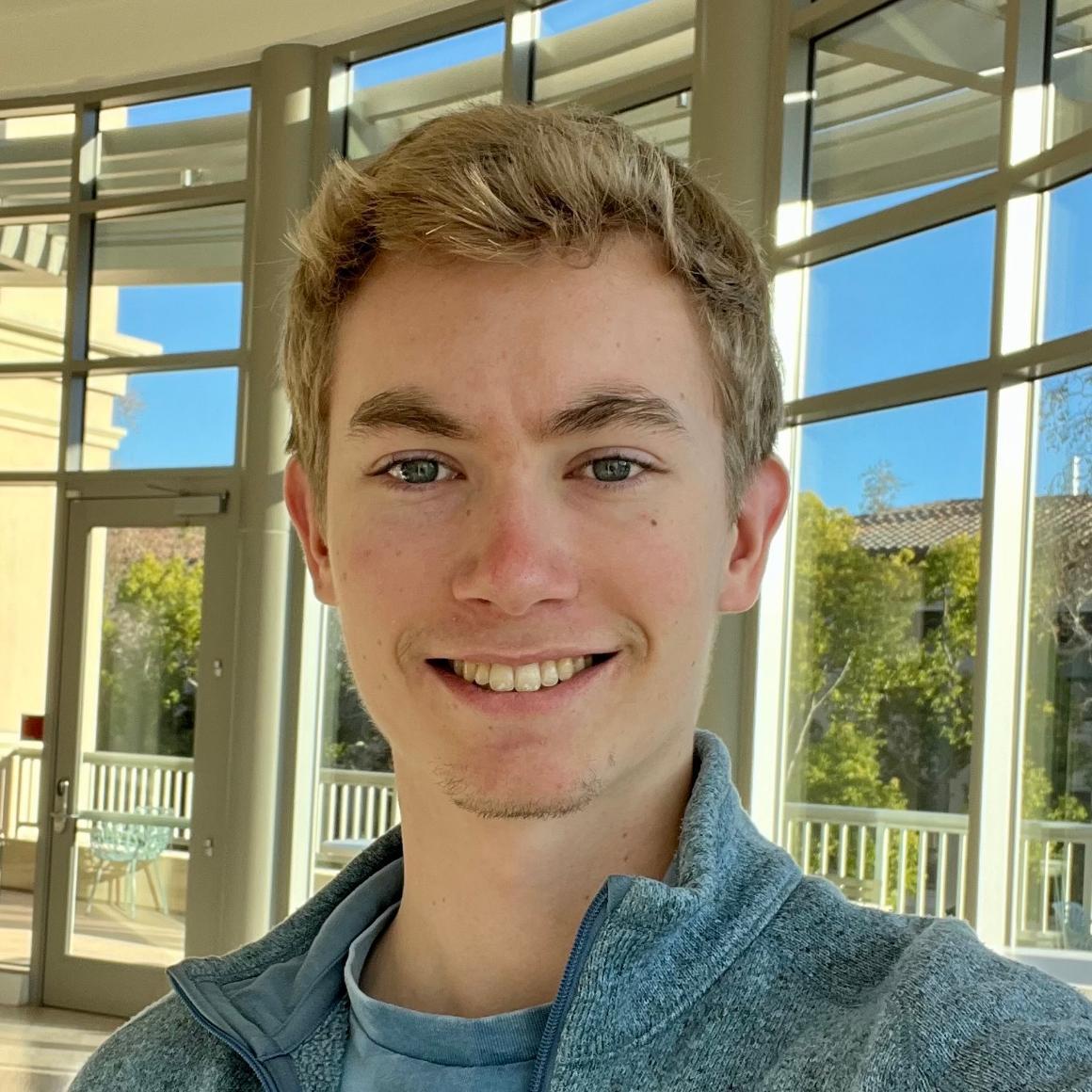
Morgan Drake ’26 (Studio Art), “Flying into the Future” (Advised by Ryan Carrington, Art and Art History)
Morgan’s project will examine the past, present, and future of humanity’s connection to machines and technology through aircraft that are historically or contemporarily important, as well as imagined future designs. While his drawings’ precise, detailed lines mirror the precision and engineering of the real aircraft, there is also a contrast between Morgan’s natural, manual work, and the mechanical, mass-produced, high-tech subjects. This project, which will consist of 3-5 framed drawings displayed in the Dowd Building, honors the beauty of well-designed, intricately engineered machines, reminding us of their impact on the world and questioning their future, hoping for a utopia where aircraft and machines make life and exploration safer, more convenient, and without limits. The project also has a deeply personal aspect, channeling Morgan’s lifelong fascination with flying machines and his dream of a piloting career. The project shows the passion Morgan pours into the drawings he makes, as he imagines this dream becoming his future.
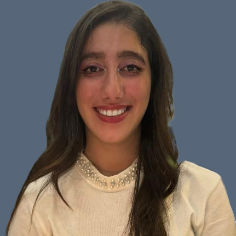
Ayden Eways ’27 (Honors Political Science, Music), “Exiled Voices: A Musical Portrait of Palestinian Displacement” (Advised by Scot Hana Weir, Music)
Ayden’s Project involves collaboration with the Palestinian culture to tell the lost history at the hands of the atrocities going on in Palestine. As a proud member of the American Federation for Ramallah Palestine, Ayden shares her Palestinian culture with the world, and even sang the national anthem at the convention this past year! Her goal is examine issues critically and practice ethical journalism in all her endeavours. Her project features the stories of many, with chilling lyrics, and strong, powerful tone.

Elise Fendon ’26 (Studio Art), “Colors of Mourning” (Advised by Ryan Carrington, Art and Art History)
Elise’s project will examine non-western interpretations of death and mourning. In a series of 2-3 paintings, Elise will produce pieces that illustrate concepts related to death and mourning outside of the Western sphere. The project aims to connect with those who have experienced loss and offer new ways to look at death and the afterlife. In doing this, the project hopes to bring comfort and offer new perspectives. At the same time, it functions as an exploration of Elise’s own grief as she deals with the loss of her father. “Colors of Mourning” is a deeply personal and emotional project that hopes to be healing for both artist and audience.
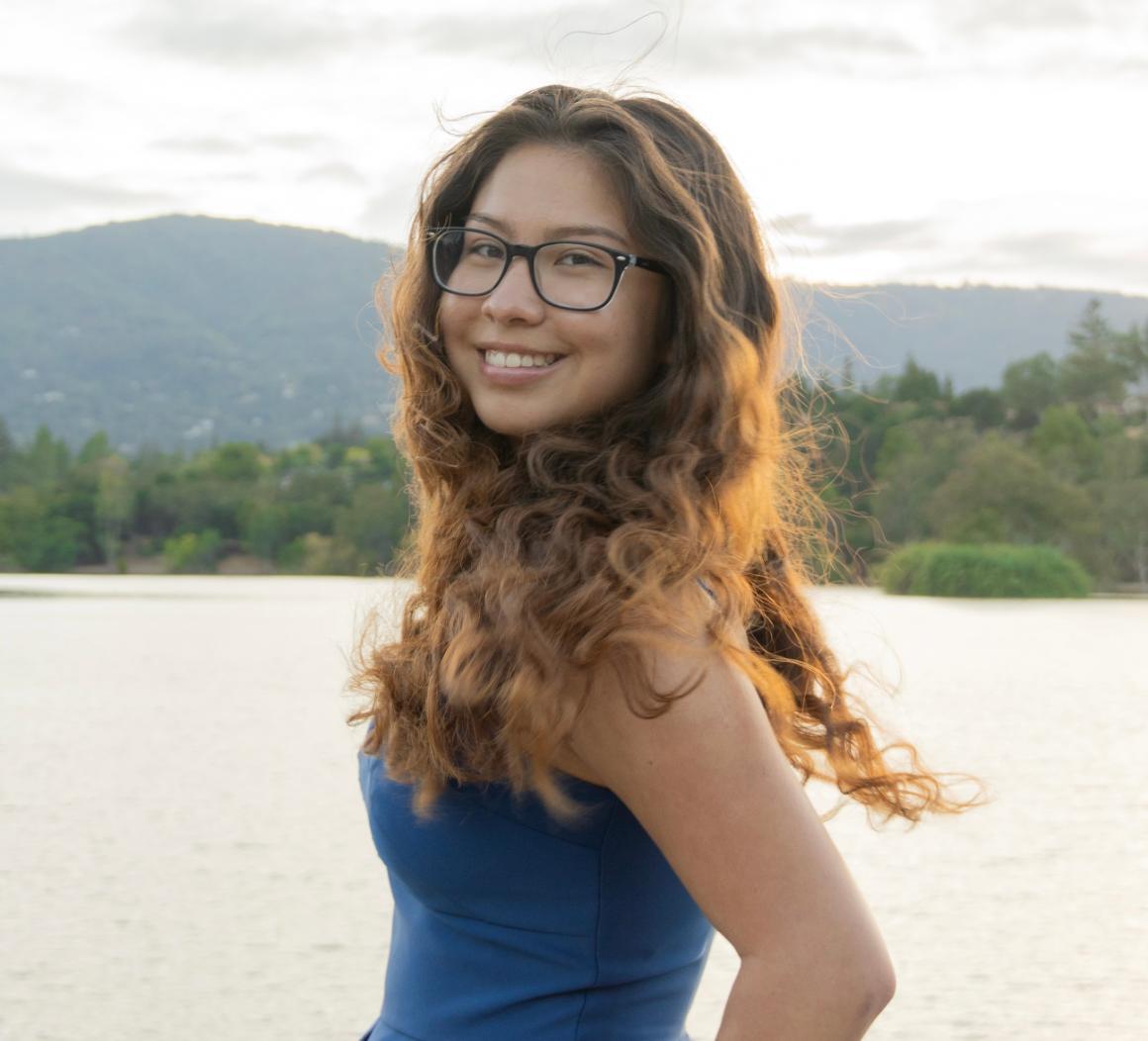
Ava Garcia ’28 (Biology), “The Role of Music Therapy in Pediatric Care: Enhancing Emotional Well-being in Children with Medical Conditions, with a Focus on Pediatric Cardiology” (Advised by Teresa McCollough, Music; Dawn Hart, Biology)
Ava’s project investigates the role of music therapy in improving emotional well-being and reducing stress in pediatric patients across medical specialties, with particular attention to children with heart conditions. Through a combination of interviews with healthcare professionals and music therapists, along with a review of medical and music literature, Ava will explore how music can be used as a therapeutic tool to ease anxiety, support recovery, and provide comfort to children facing serious illnesses. The project will culminate in a multimedia advocacy presentation to share findings and raise awareness about the importance of integrating music therapy more fully into pediatric care.
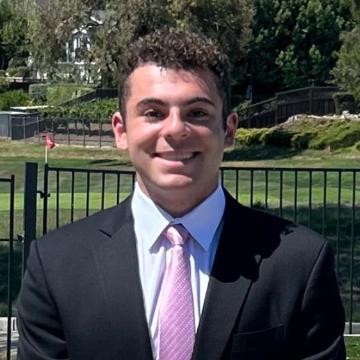
Anthony Ventura ’28 (English), “Storytelling Leader for Ohlone AR” (Advised by Amy Lueck, English)
Anthony’s project involves collaborating with Ohlone cultural representatives and Ohlone youth to showcase their important legacy, both past, present, and future here at Santa Clara. As storytelling lead for the Ohlone AR virtual reality tour, Anthony conducts interviews and develops research documents to create narratives that honor the Ohlone people. His goal is to serve as a voice for the stories they want to share with our community while also making their history more accessible and interactive. The Ohlone AR tour features place-based storytelling, connecting Ohlone history to locations on campus and I’m confident that our upcoming stops will continue to reflect the continuing and important presence of the Ohlone today!